
Osaka
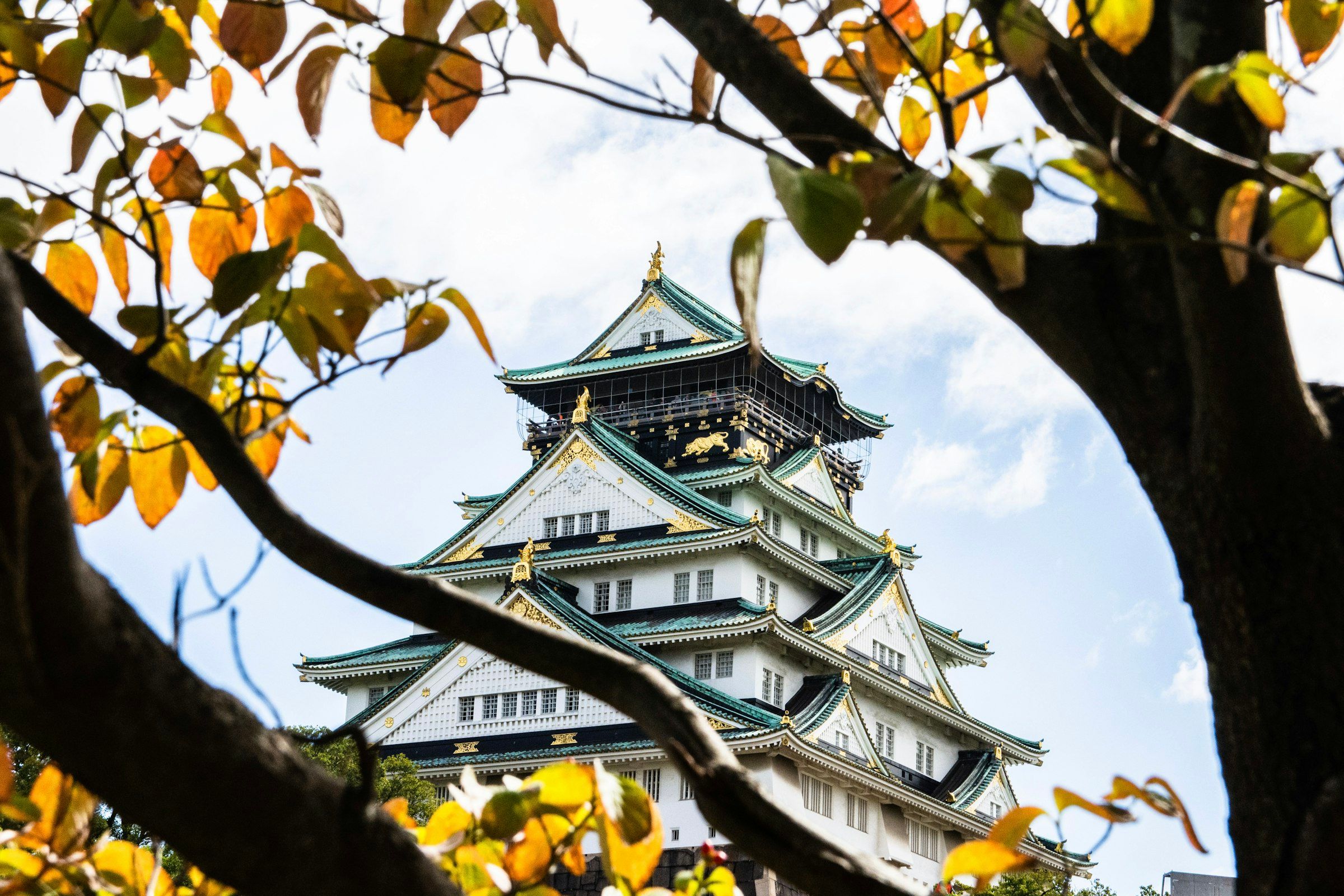
Street food, castle views and a big-hearted city.
Osaka has long been called “the nation’s kitchen”, and it still eats like it. We arrange the parts that are hard to arrange from abroad: the counter seat, the sumo tickets, an evening on the river for its summer festival.
A personal reply within one working day, from the specialist who plans your trip.
- Nights
- 2 to 3 nights, more with day trips to Kyoto, Nara or Himeji
- Best weeks
- Late March to early April, and late November to early December
- Getting there
- About 2 h 30 from Tokyo by Shinkansen. About 35 min from Kansai Airport to Namba on the rapi:t
- A base for
- Kyoto, Nara, Kobe and Himeji, each under an hour away
More than Dōtonbori.
In the Edo period Osaka was Japan’s centre of trade, and the Dōjima Rice Exchange, licensed in 1730, is often called the world’s first organised futures market. The city’s National Bunraku Theatre is the main stage of Japan’s puppet theatre, and kappō, cooking done at the counter in front of you, is said to have begun here.
Most visitors see Osaka at night, in Dōtonbori’s lights. What they miss is the city by day: the morning market, the long covered shopping streets, a counter lunch where the regulars eat. We plan both.
Ask someone who knows Osaka.
Tell us your dates and what you’d like from Osaka, or the one thing you need booked. The specialist who plans your trip replies within one working day.
What we arrange in Osaka.
Each can be booked on its own, or as part of a whole trip.
A seat at the griddle
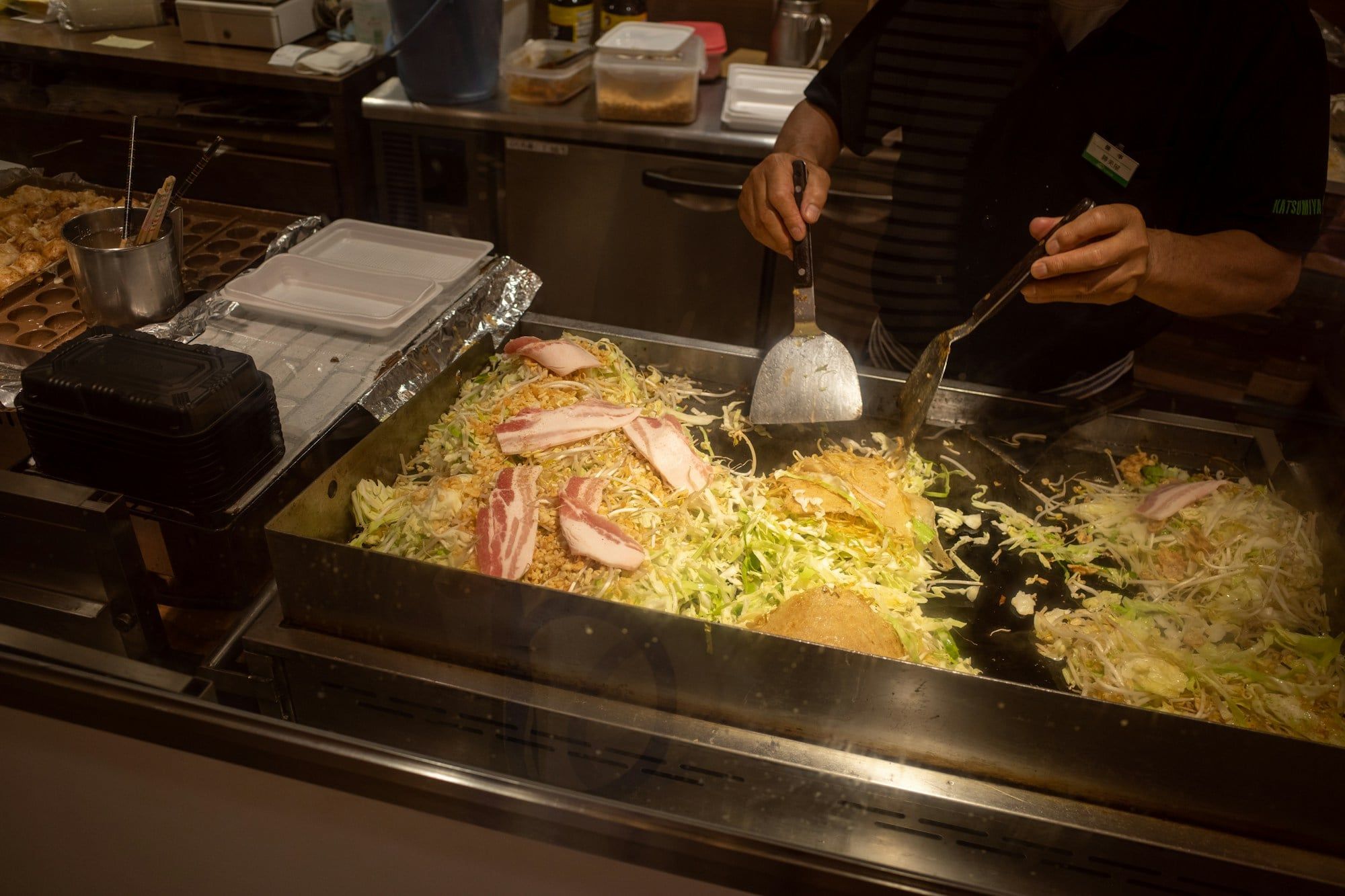
Okonomiyaki cooked on the griddle in front of you, and kappō counters where the chef works an arm’s length away. Many take bookings only in Japanese; we request the seat and brief the kitchen.Request this →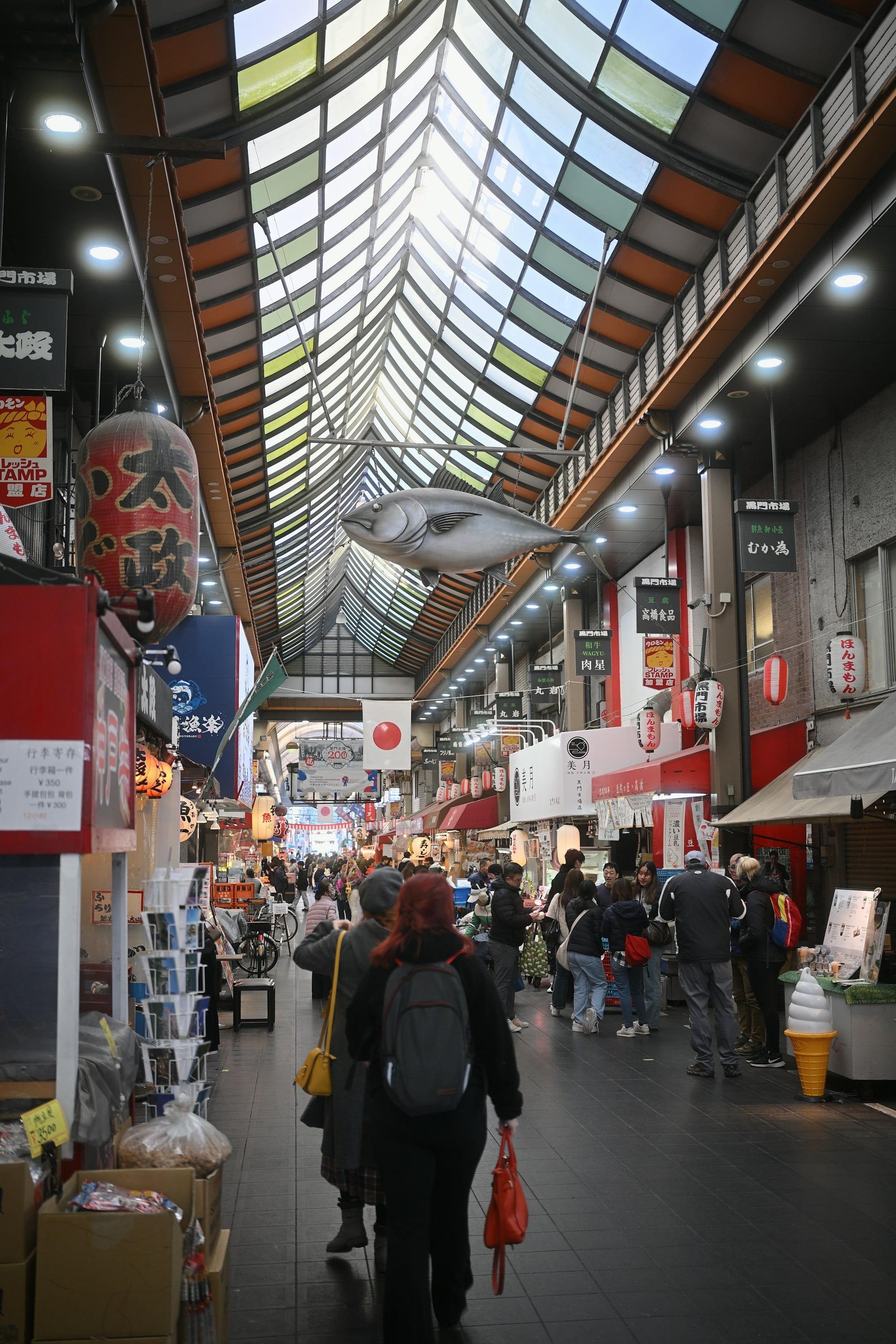
The markets, with a guide
A morning through Kuromon Market and its 150 or so shops, then along Tenjinbashisuji, a covered shopping street about 2.6 km long. You taste as you go.Request this →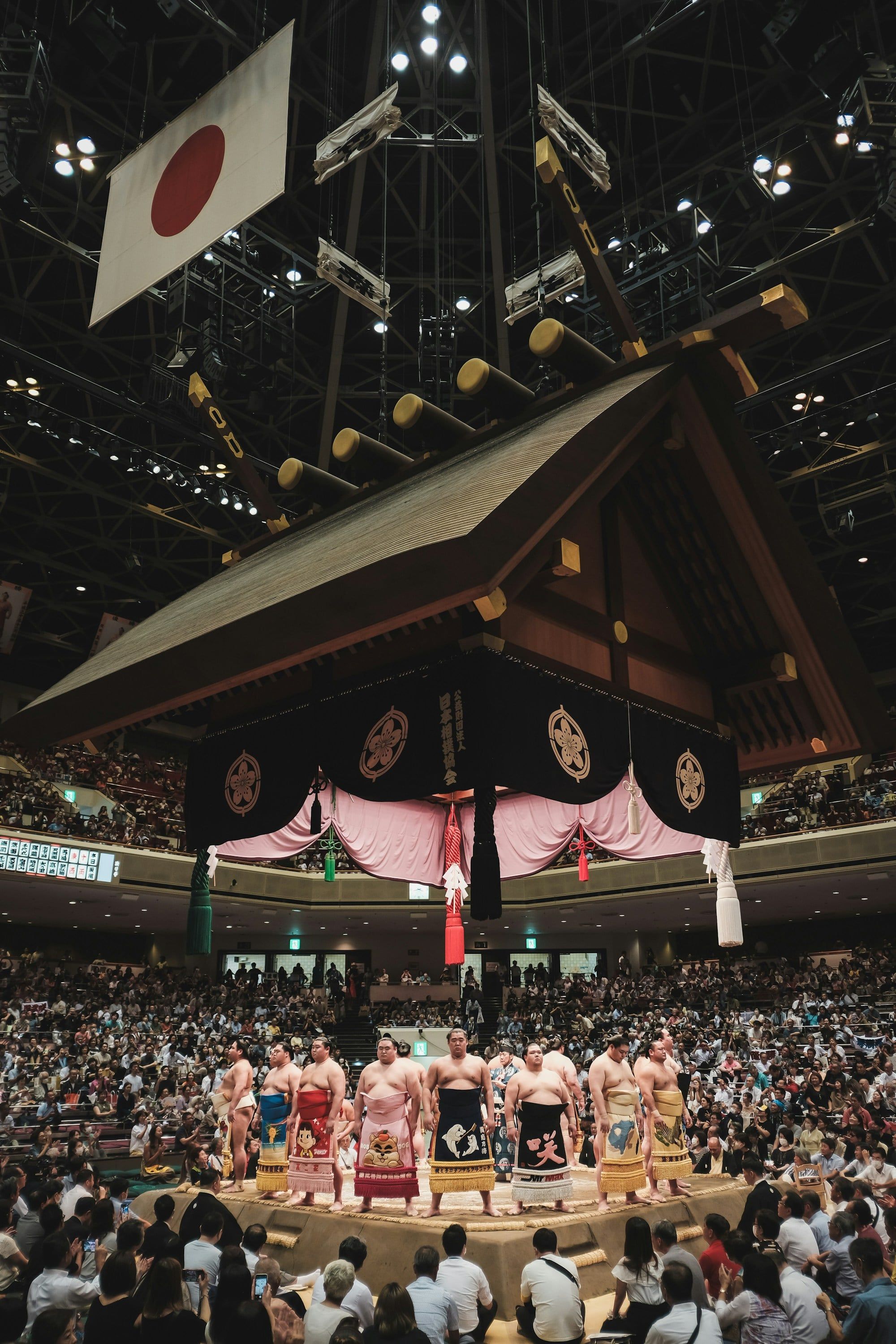
A seat at the March sumo
Sumo’s spring tournament fills 15 days each March at EDION Arena Osaka. We request seats, from the boxes beside the ring to the chairs above.Request this →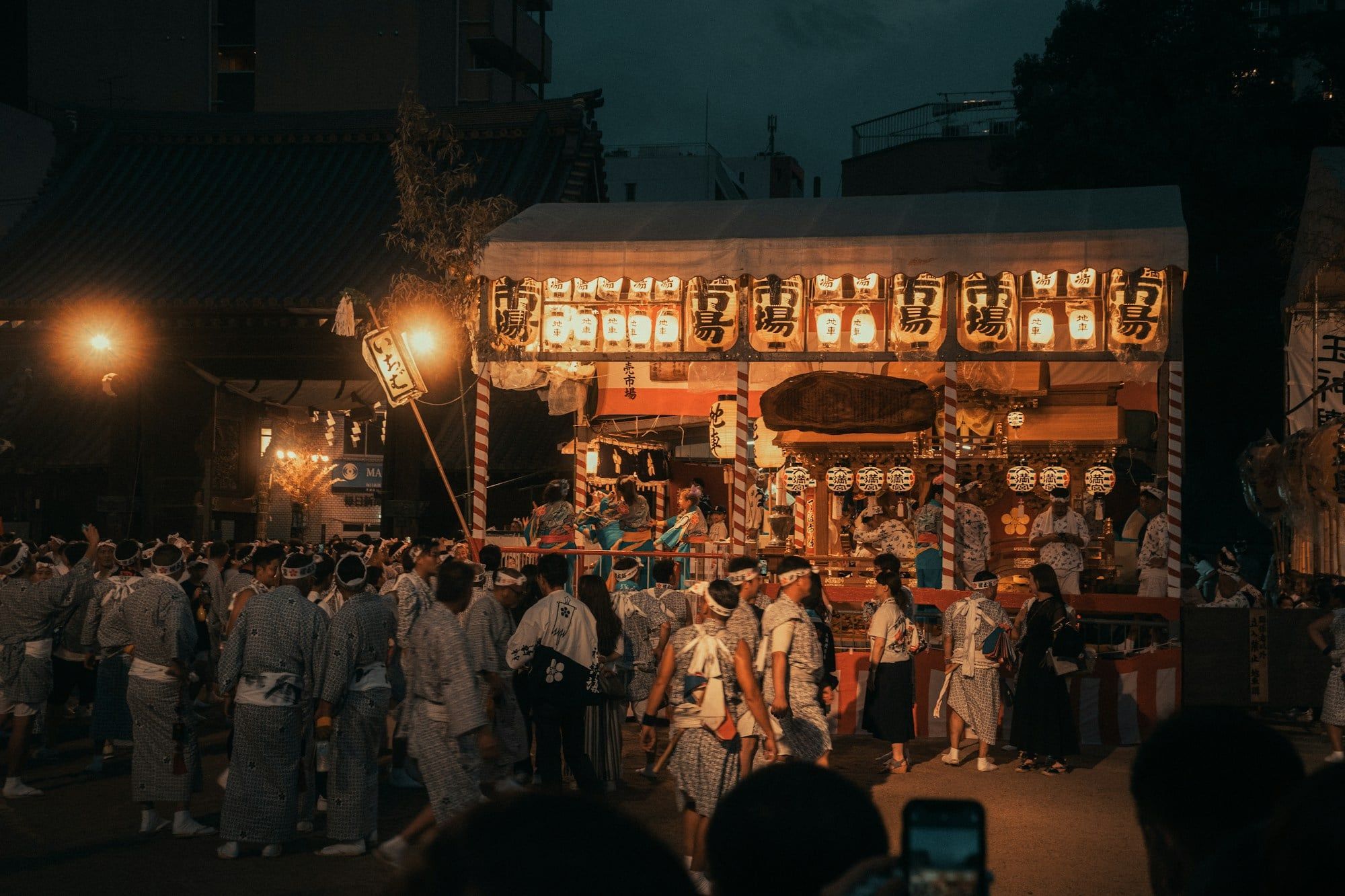
The Tenjin Matsuri
On 25 July, Osaka Tenmangū’s festival takes to the Ōkawa river: a procession of boats by lantern light, then fireworks. The shrine counts it among Japan’s three great festivals. We plan your evening around it.Request this →
Also in Osaka:Hotels & ryokanTrain tickets & transfersCultural experiencesSIM cards & pocket wifi
Where to stay.
Osaka has two centres, Kita and Minami, a few metro stops apart. Four areas, and who each one suits.
We book hotels and ryokan →Kita (Umeda)
Suits first visits · day trips
Around Osaka Station: the large hotels, the department stores and trains in every direction, with the restaurants and bars of Kitashinchi a short walk south.
Minami (Namba and Shinsaibashi)
Suits food lovers · late nights
Dōtonbori, Kuromon Market and the most places to eat within walking distance. The rapi:t from Kansai Airport arrives at Namba.
Nakanoshima
Suits quiet evenings · museums
An island about 3 km long between two rivers, with museums and some of the city’s older buildings. Central, and calm once the offices close.
Shin-Osaka
Suits short stays · early trains
Practical rather than pretty: the Shinkansen station, with trains to Kyoto, Hiroshima and Tokyo, a few minutes from Osaka Station.
When to go.
Osaka is busiest at cherry-blossom time and in its summer festival season. Our pick is March: the spring sumo tournament, mild days, and the first cherry blossoms at the end of the month.
March to May
Spring
Sumo’s spring tournament fills 15 days in March. Cherry blossoms usually open in late March and peak in early April, with about 3,000 trees in Osaka Castle Park. For one week in April, the Japan Mint opens its cherry avenue of about 140 varieties.
June to August
Summer
The rainy season runs from June into July, then it turns hot and humid. The Tenjin Matsuri ends on 24 and 25 July, with boats on the river and fireworks on the last night.
September to November
Autumn
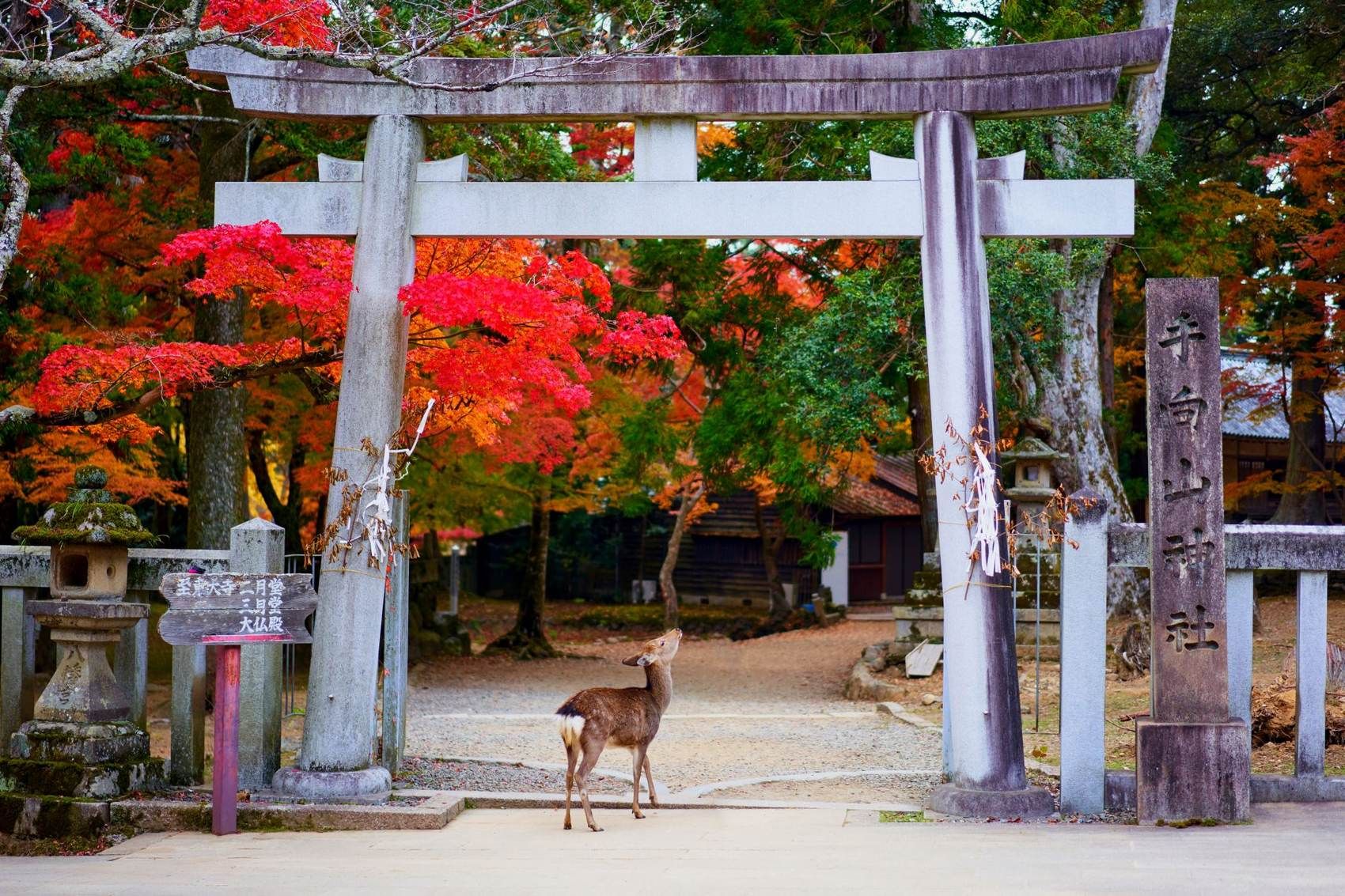
September is still hot. The maples of Minoo Park, north of the city, usually peak from mid-November to early December, where stalls sell momiji tempura, maple leaves fried in batter. In the centre, the colour comes around the start of December.
December to February
Winter
Cold and mostly dry. In January, the National Bunraku Theatre opens its year with a New Year programme.
| Month | Average high | Rainfall | Usual peak |
|---|---|---|---|
| January | 10 °C (49 °F) | 47 mm | |
| February | 11 °C (51 °F) | 61 mm | |
| March | 14 °C (58 °F) | 103 mm | Cherry blossom |
| April | 20 °C (68 °F) | 102 mm | Cherry blossom |
| May | 25 °C (77 °F) | 137 mm | |
| June | 28 °C (82 °F) | 185 mm | |
| July | 32 °C (89 °F) | 174 mm | |
| August | 34 °C (93 °F) | 113 mm | |
| September | 30 °C (85 °F) | 153 mm | |
| October | 24 °C (75 °F) | 136 mm | |
| November | 18 °C (64 °F) | 73 mm | Autumn colour |
| December | 12 °C (54 °F) | 56 mm | Autumn colour |
Pairs well with Osaka.
Easy to combine, by train from Osaka.
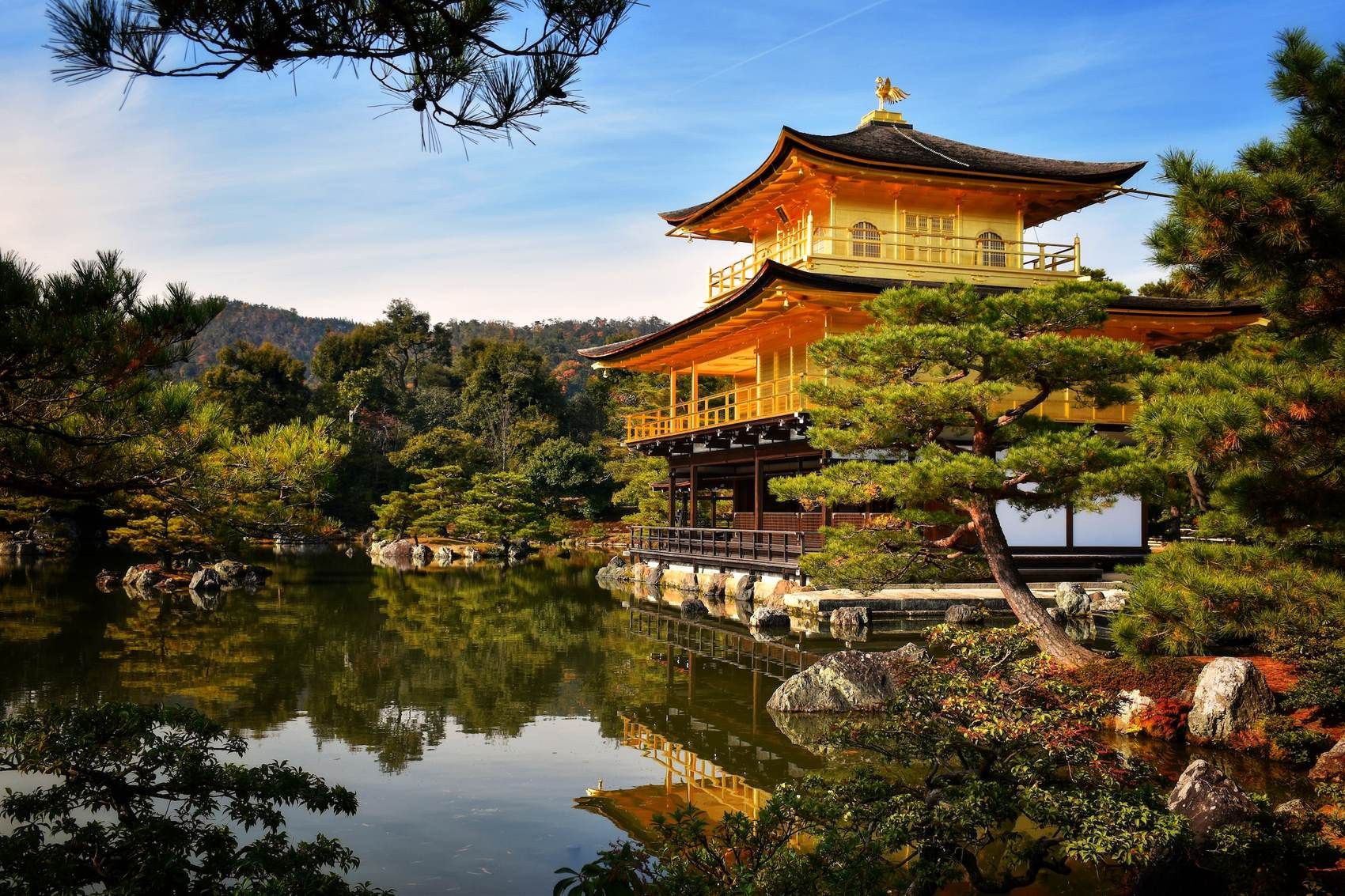
About 15 min by Shinkansen, or 30 min on the JR Special Rapid
Kyoto
Temples, moss gardens and lantern-lit lanes.Osaka and Kyoto →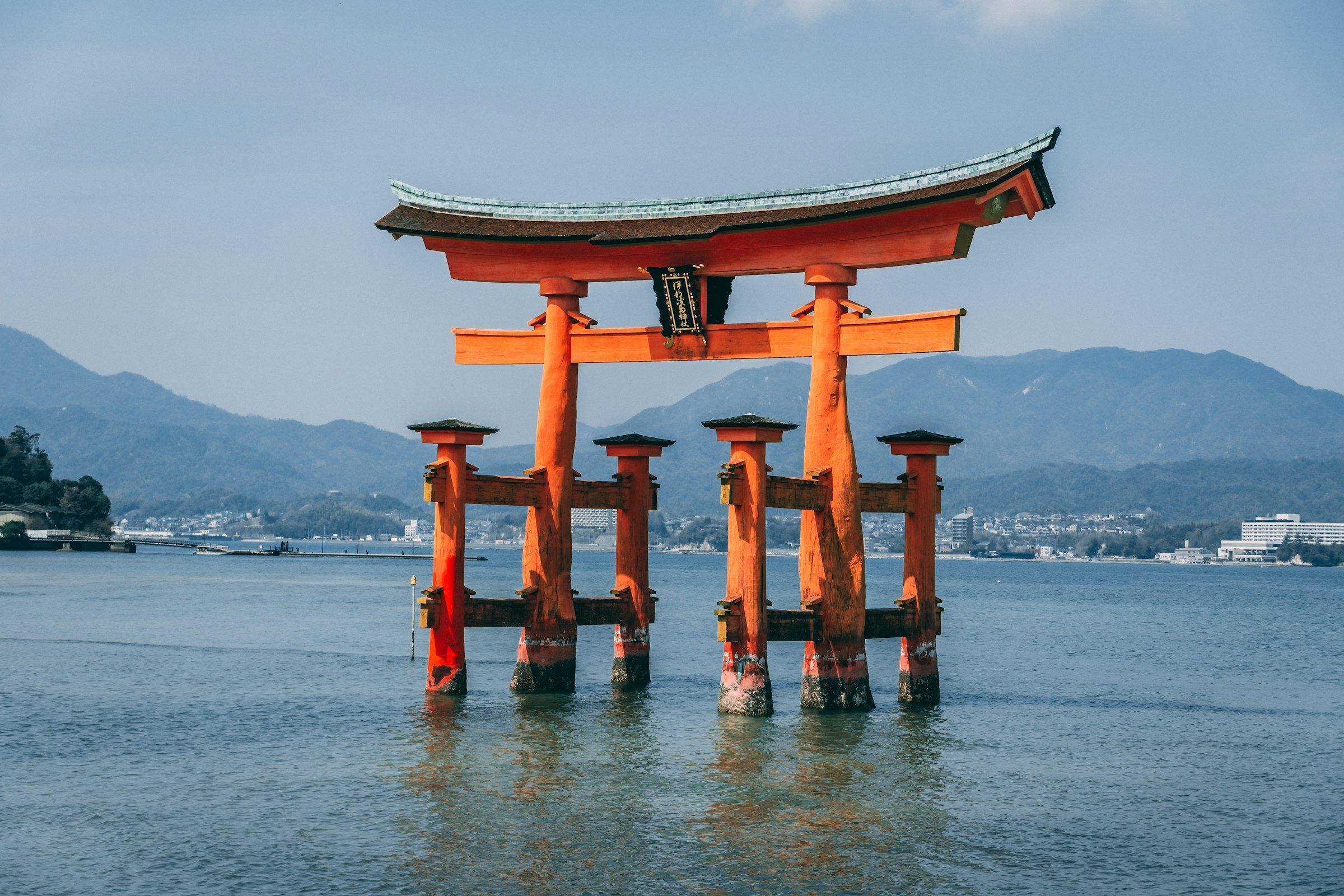
About 1 h 25 by Shinkansen
Hiroshima & Miyajima
History, resilience and the floating torii.Osaka and Hiroshima & Miyajima →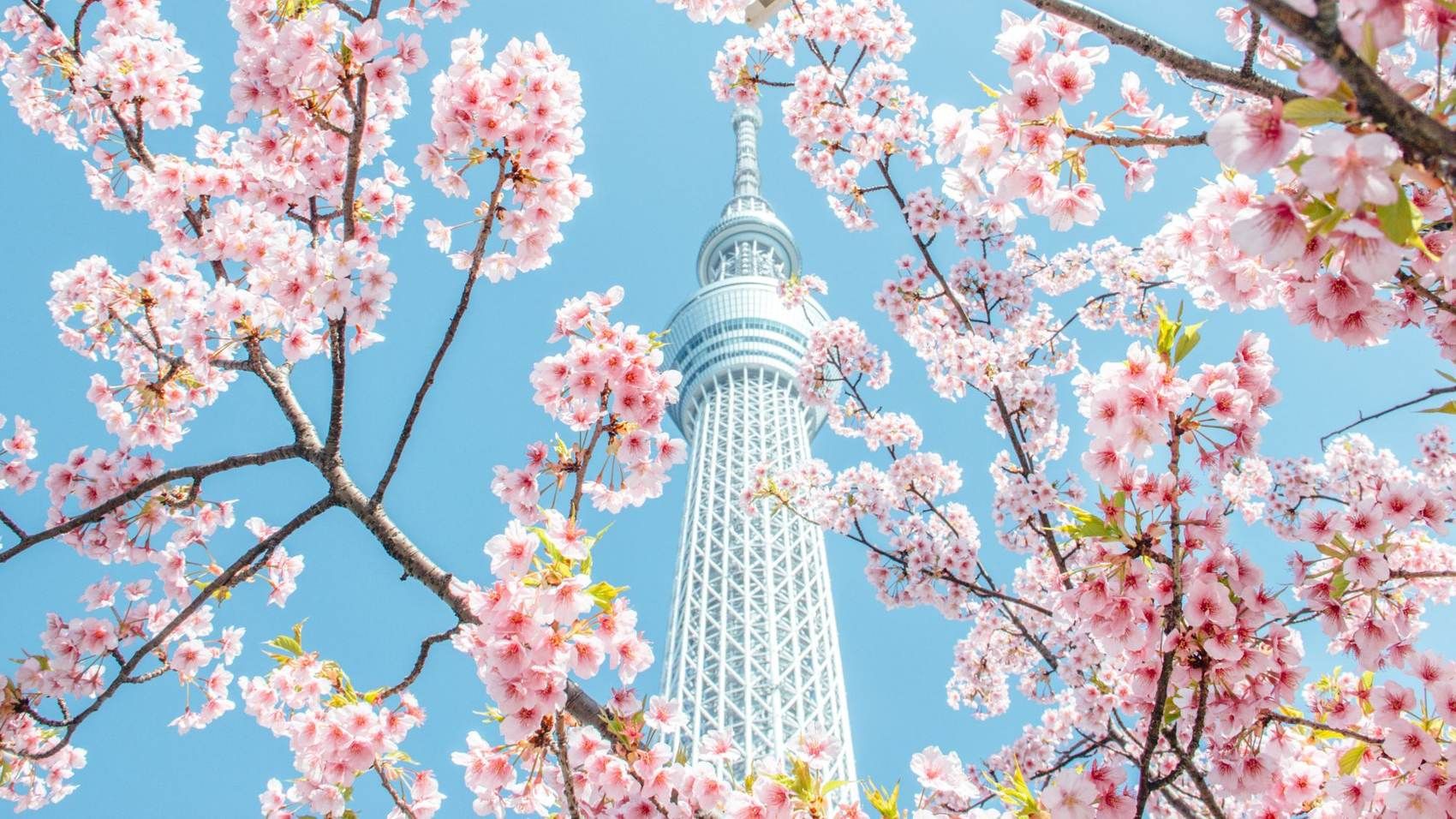
About 2 h 30 by Shinkansen
Tokyo
Neon nights, quiet shrines and the best sushi counters.Osaka and Tokyo →
Questions about Osaka.
How many nights should we give Osaka?
Two or three, more if you use it as a base. Kyoto, Nara, Kobe and Himeji are each under an hour away, so Osaka works well as a base for day trips.
Can we see bunraku?
In most seasons, yes. The National Bunraku Theatre in Nippombashi usually plays in January, April, June, late July to early August, and November. Its subtitles are in Japanese only, but an English audio guide covers part of the programme, and there’s a free English synopsis.
Can you get us sumo tickets?
We can request them for you. Ask as early as you can: the seats closest to the ring go first.
Can you book just one thing, like a dinner?
Yes. Every service can be booked on its own, from one seat at a counter to a guide for a morning. One booking is as welcome as a whole trip.
Book a single service →Plan your Osaka.
Tell us your dates and what you’d like to see and feel. We’ll send a personal quote, and change anything until it feels right.
A personal reply within one working day, from the specialist who plans your trip.