
Nara
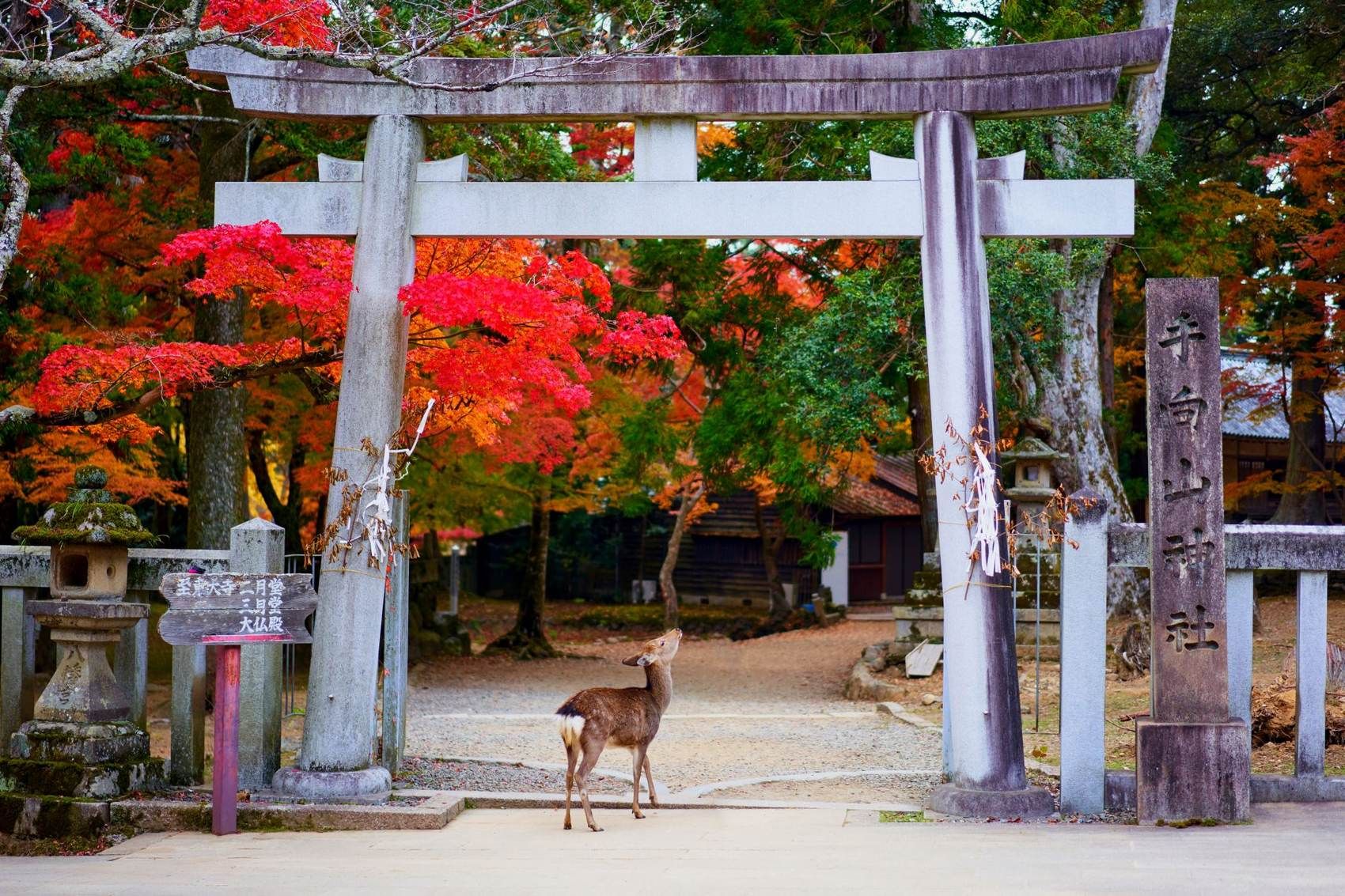
Ancient temples and deer beneath the maples.
Japan’s capital in the eighth century, and still home to some of its oldest temples. Most visitors give Nara an afternoon. We plan it for its quiet hours: a guide at the gates as they open, and a night here once the day visitors have gone.
A personal reply within one working day, from the specialist who plans your trip.
- Nights
- 1 to 2 nights, or a long day from Kyoto or Osaka
- Best weeks
- Late March to early April, and mid-November to early December
- Getting there
- About 35 min from Kyoto and 40 min from Osaka by Kintetsu train. About 1 h 40 from Kansai Airport by bus
- A base for
- Hōryū-ji, about 30 min away, and the cherry trees of Yoshino, about 1 h 40
More than an afternoon with the deer.
Nara was Japan’s capital from 710 to 784. Eight of its temples, shrines and sites, among them Tōdai-ji, Kōfuku-ji and Kasuga Taisha, form one UNESCO World Heritage Site, and nearby Hōryū-ji has some of the oldest surviving wooden buildings in the world. Fewer than one visitor in ten stays the night.
What a night here gives you is Nara without the day trip: the park in the early evening, and Tōdai-ji at opening time, before the tour coaches arrive. We plan the great temples for those hours and leave the afternoon for the old lanes of Naramachi.
Ask someone who knows Nara.
Tell us your dates and what you’d like from Nara, or the one thing you need booked. The specialist who plans your trip replies within one working day.
What we arrange in Nara.
Each can be booked on its own, or as part of a whole trip.
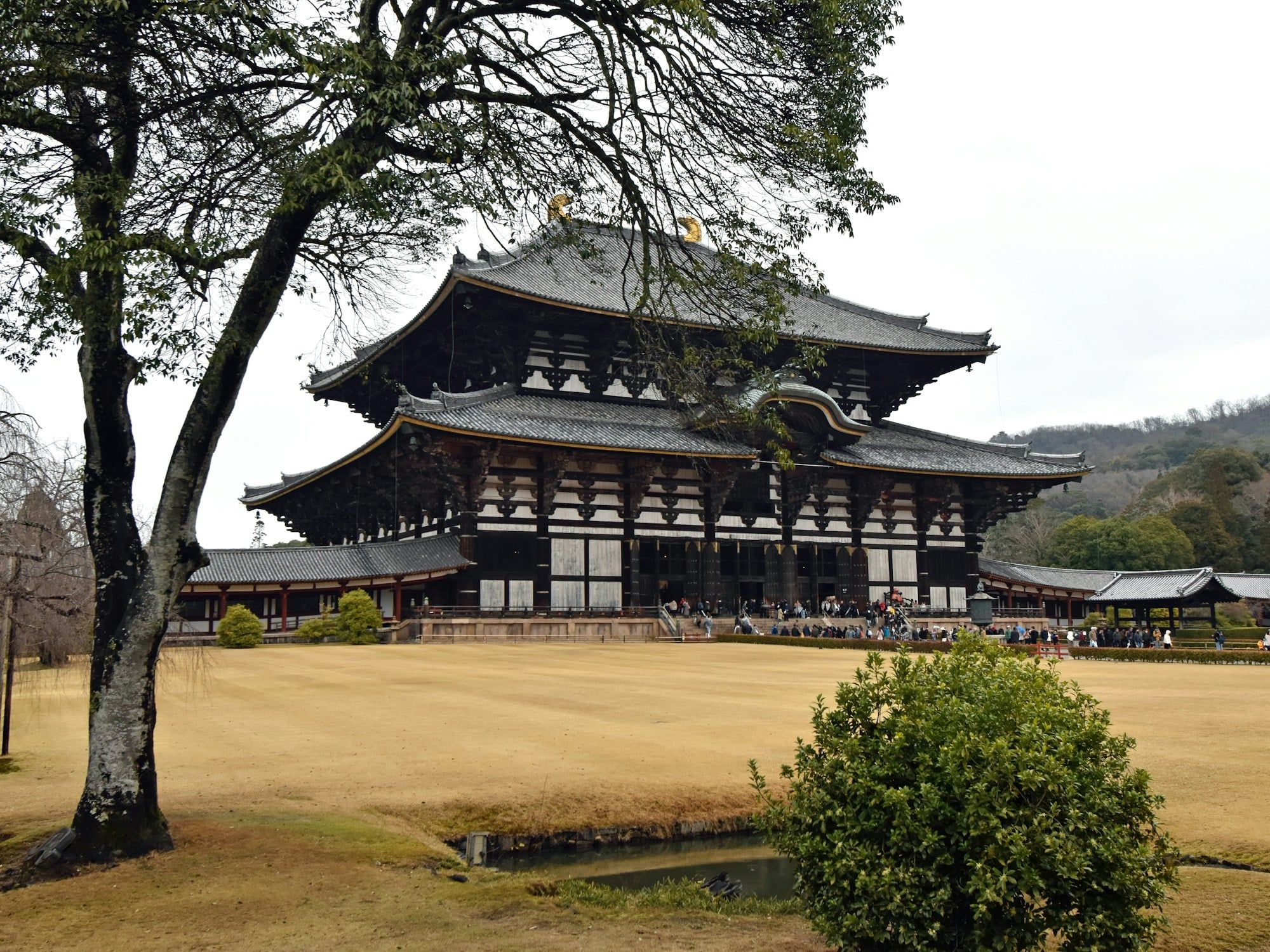
Tōdai-ji at opening time
A licensed guide and an early start at the hall of the Great Buddha, about 15 metres tall. Rebuilt in 1709, the hall is still one of the largest wooden buildings in the world.Request this →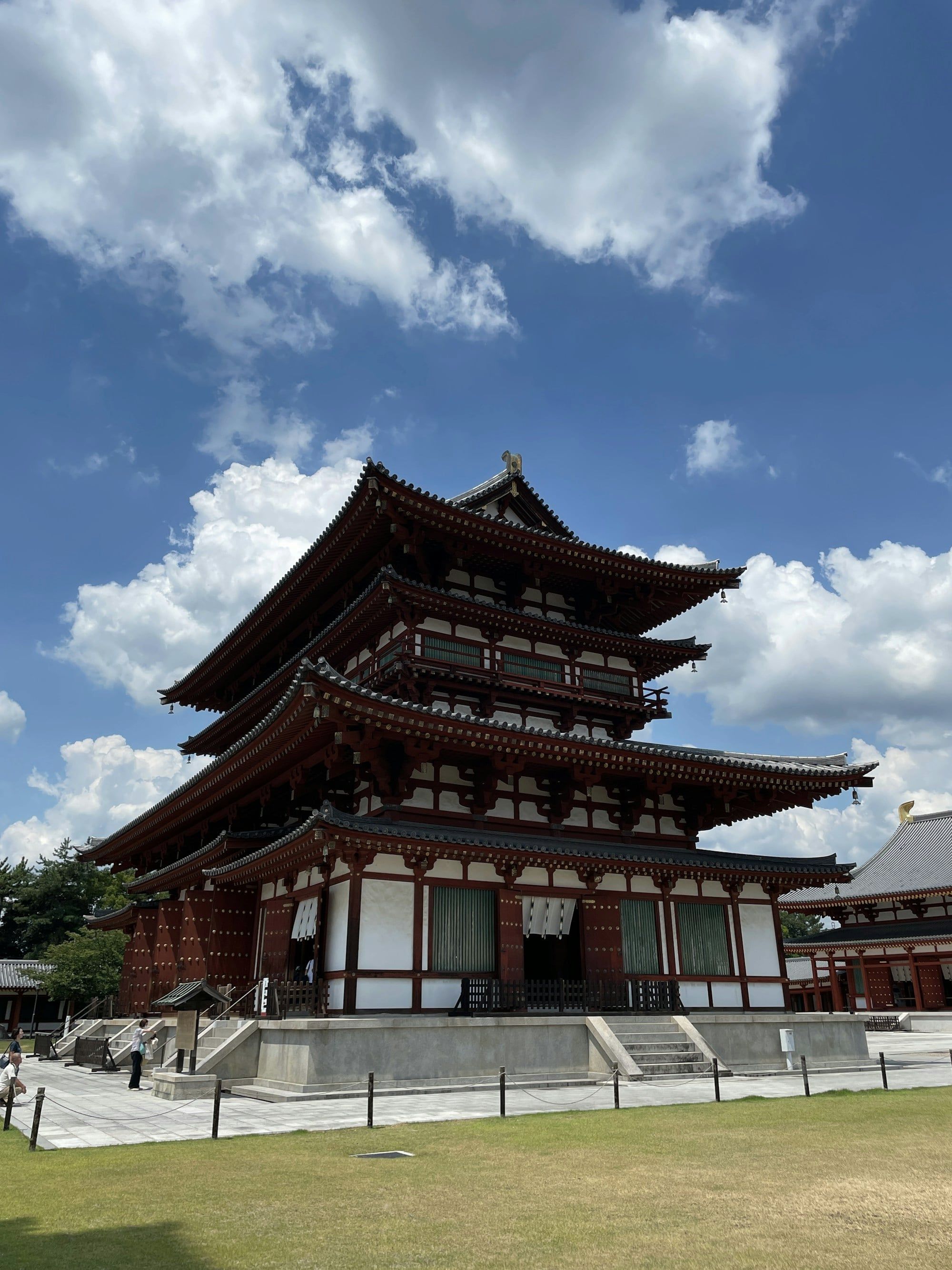
A sutra copied by hand
At Yakushi-ji, you copy the Heart Sutra with brush and ink, at your own pace, in about an hour. The temple has a shorter text for visitors who don’t read Japanese.Request this →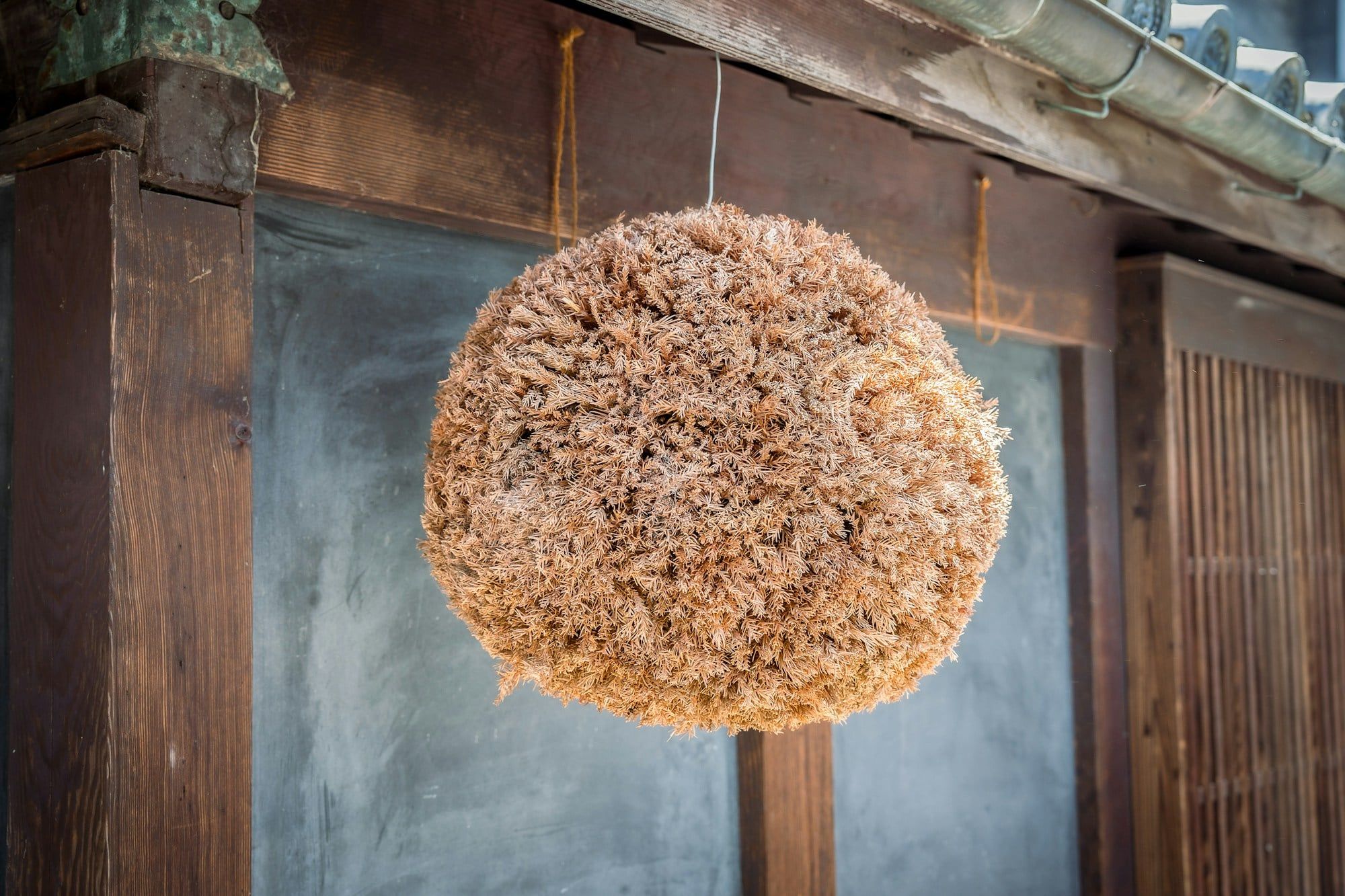
A sake tasting in Naramachi
A tasting at a brewery in Naramachi, the old merchant quarter. Nara traces refined sake back to Shōryaku-ji, one of the city’s temples.Request this →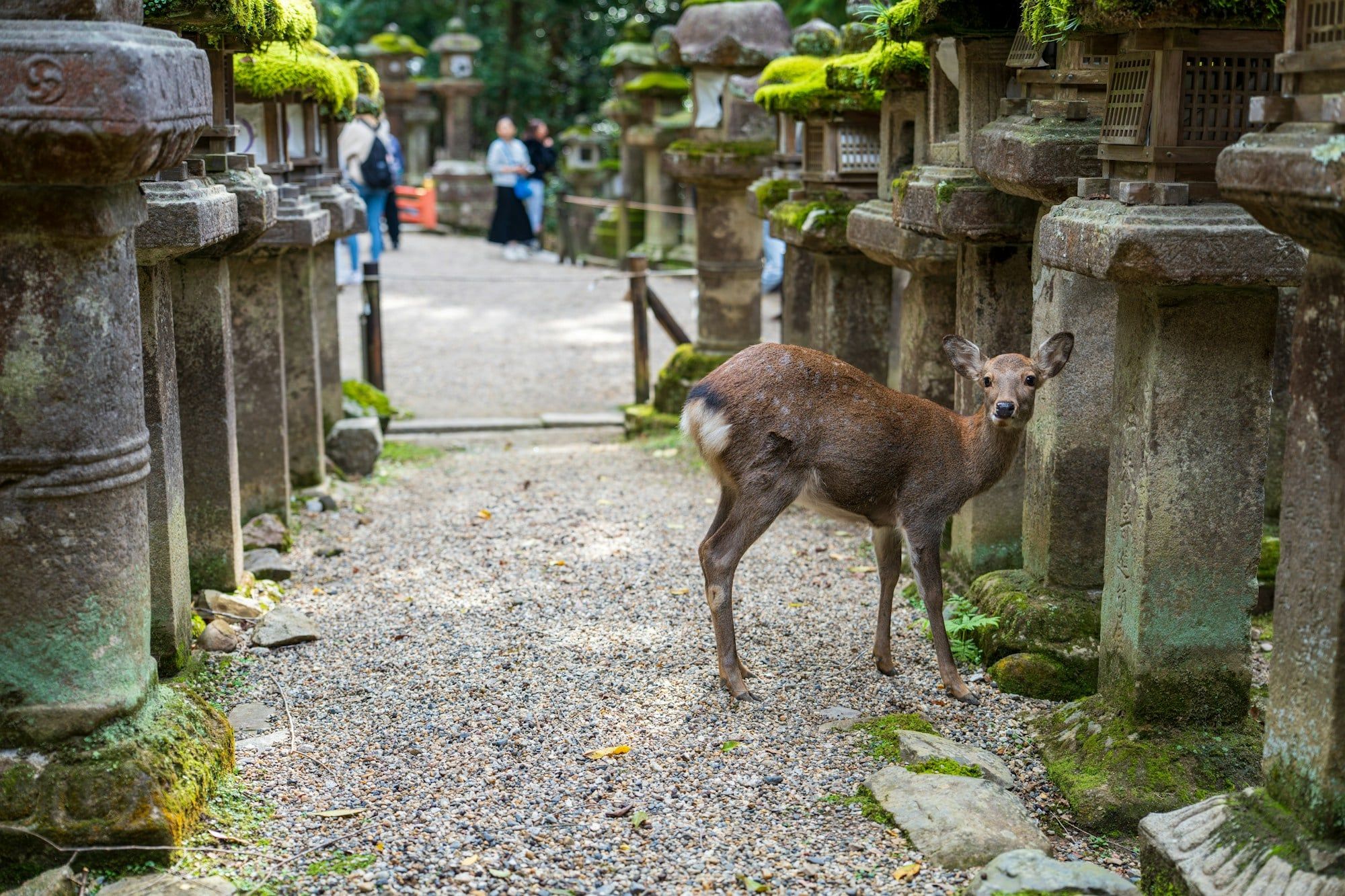
Kasuga’s lanterns
About 3,000 stone and hanging lanterns line the paths of Kasuga Taisha. On Setsubun night in February, and on 14 and 15 August, all of them are lit. We time your stay to see them.Request this →
Also in Nara:Hotels & ryokanTrain tickets & transfersRestaurant reservationsSIM cards & pocket wifi
Where to stay.
Most of Nara’s visitors leave by evening. Where you stay decides whether you see it then. Four choices, and who each one suits.
We book hotels and ryokan →Nara Park and Naramachi
Suits early starts · slow evenings
Beside the temples and the deer, with the old merchant lanes of Naramachi a short walk south. The closest you can sleep to Tōdai-ji at opening time.
Around Kintetsu-Nara Station
Suits short stays · day trips
Trains to Kyoto and Osaka leave from here, and Kōfuku-ji and the park are a few minutes’ walk away.
Around JR Nara Station
Suits airport transfers · trips to hōryū-ji
The Kansai Airport buses stop here, and the JR line runs to Hōryū-ji. The park is about 20 minutes on foot, or a short bus ride.
Kyoto or Osaka, for a day
Suits short trips
With only a day, stay in Kyoto or Osaka and come early: both are under an hour away by train.
When to go.
Nara is busiest when its cherry trees and maples are at their best. Our pick is the first half of March, for Tōdai-ji’s Omizutori: great torches on the temple balcony each evening, before the cherry-blossom crowds arrive.
March to May
Spring
From 1 to 14 March, monks carry great torches along Tōdai-ji’s Nigatsu-dō each evening for the Omizutori. Cherry blossoms usually open in late March and peak in early April, and Yoshino’s 30,000 or so trees bloom up the mountain into mid-April.
June to August
Summer
The rainy season runs from June into July, then it turns hot and humid. In August, Nara Tōkae fills the park with candlelight for about ten evenings, and on 14 and 15 August Kasuga Taisha lights all its lanterns.
September to November
Autumn
September is still hot. Each autumn the Nara National Museum shows treasures from the Shōsōin for about two weeks from late October, and the maples in the park usually turn from mid-November to early December.
December to February
Winter
Cold, clear and quiet once the New Year holidays are over. On Setsubun night in early February, Kasuga Taisha lights all its lanterns.
| Month | Average high | Rainfall | Usual peak |
|---|---|---|---|
| January | 9 °C (48 °F) | 52 mm | |
| February | 10 °C (50 °F) | 63 mm | |
| March | 14 °C (57 °F) | 105 mm | Cherry blossom |
| April | 20 °C (68 °F) | 99 mm | Cherry blossom |
| May | 25 °C (77 °F) | 139 mm | |
| June | 28 °C (83 °F) | 184 mm | |
| July | 32 °C (89 °F) | 174 mm | |
| August | 33 °C (92 °F) | 128 mm | |
| September | 29 °C (84 °F) | 159 mm | |
| October | 23 °C (73 °F) | 135 mm | |
| November | 17 °C (63 °F) | 71 mm | Autumn colour |
| December | 12 °C (53 °F) | 57 mm | Autumn colour |
Pairs well with Nara.
Easy to combine, by train from Nara.
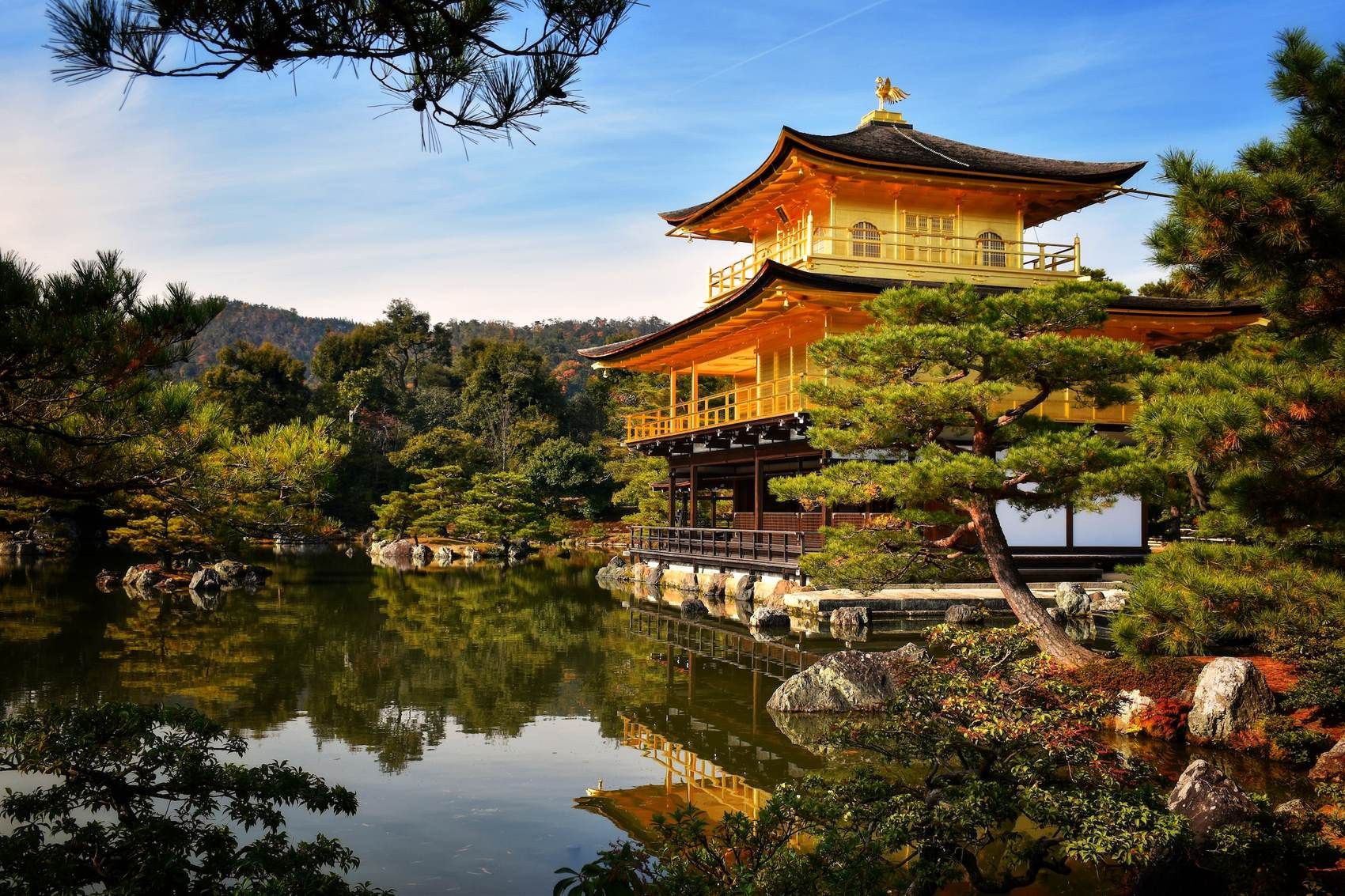
About 35 min by Kintetsu limited express
Kyoto
Temples, moss gardens and lantern-lit lanes.Nara and Kyoto →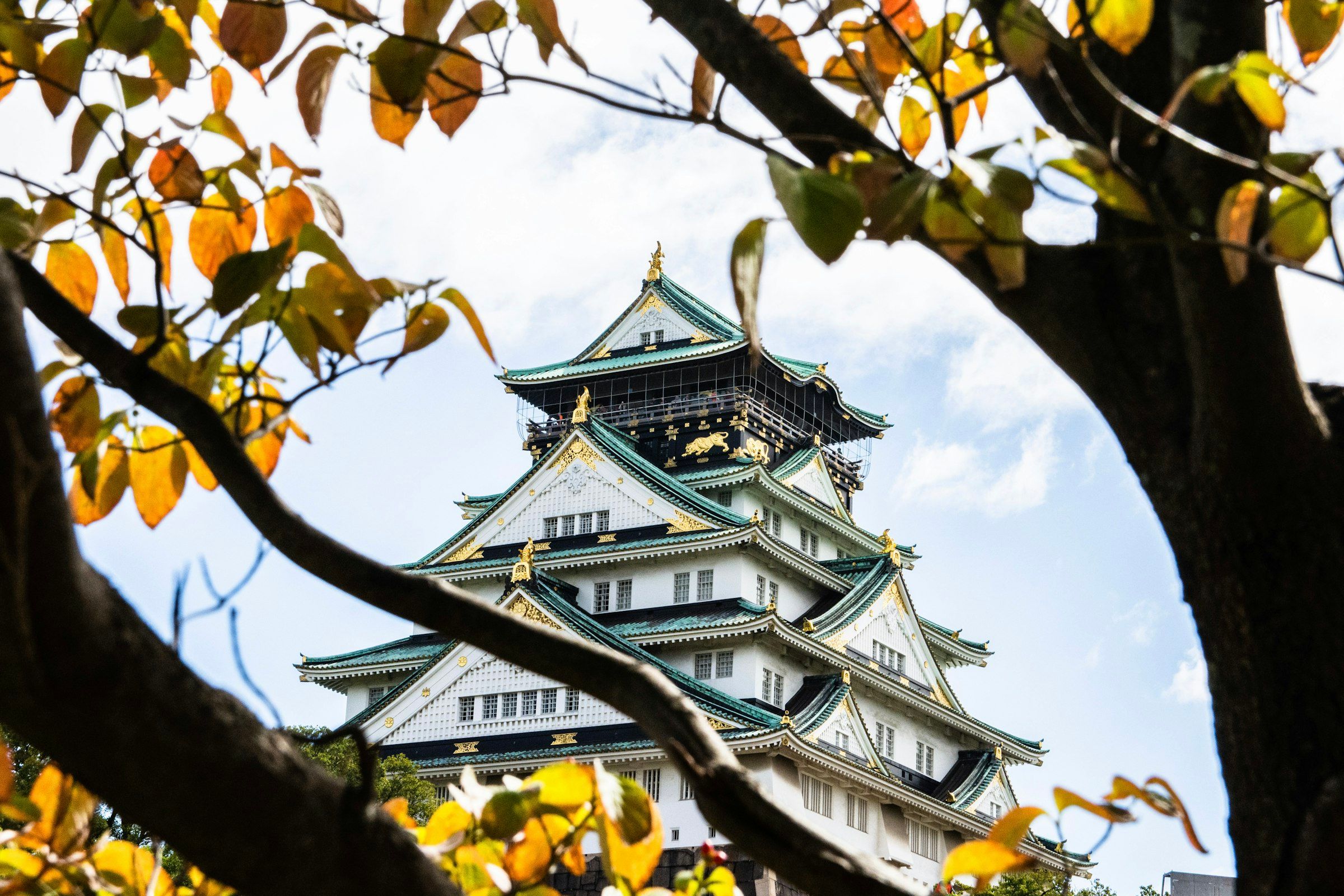
About 40 min by Kintetsu from Namba
Osaka
Street food, castle views and a big-hearted city.Nara and Osaka →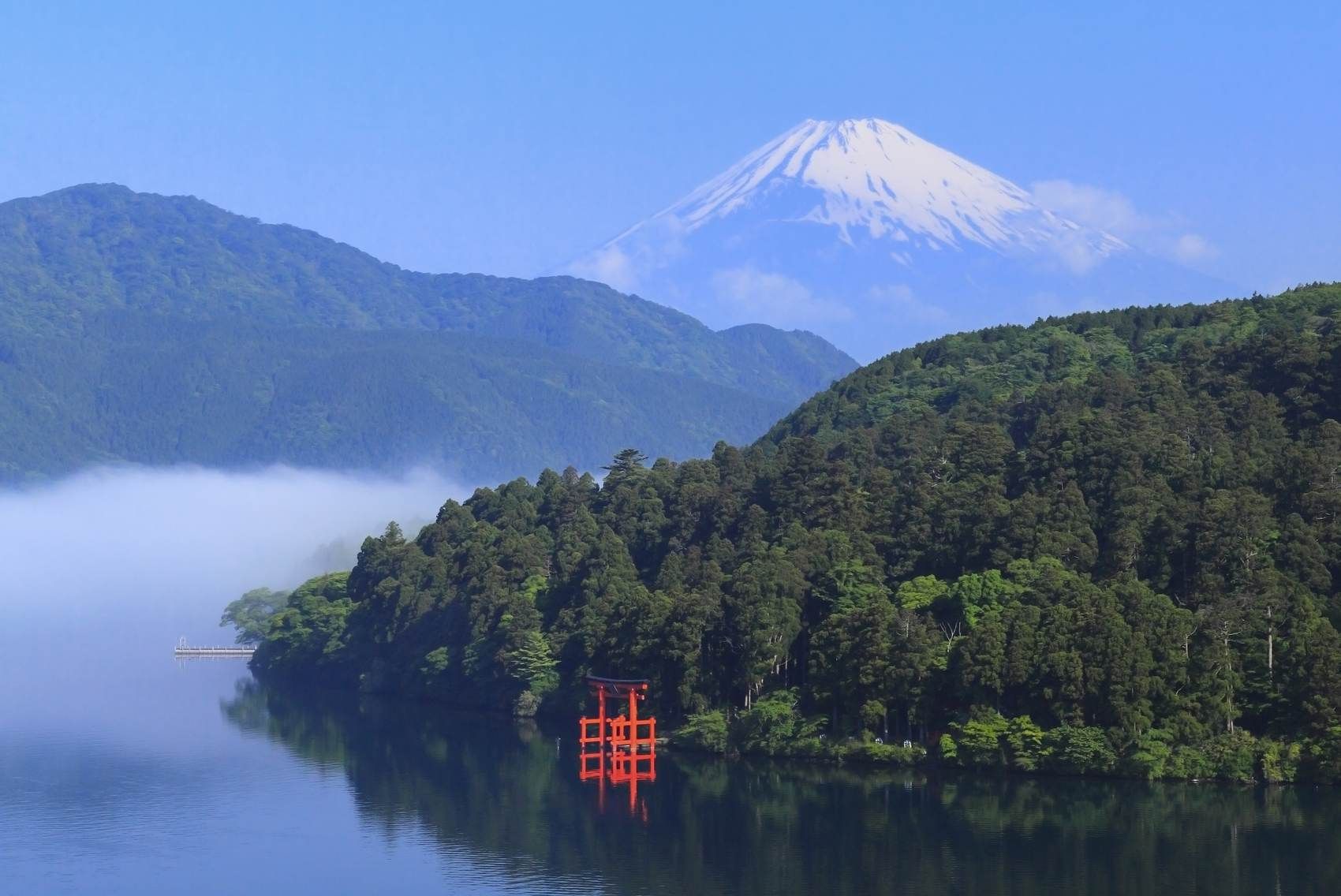
About 3 h, by Kyoto and the Shinkansen to Odawara
Hakone & Fuji
Hot springs, ryokan and the mountain on a clear morning.Nara and Hakone & Fuji →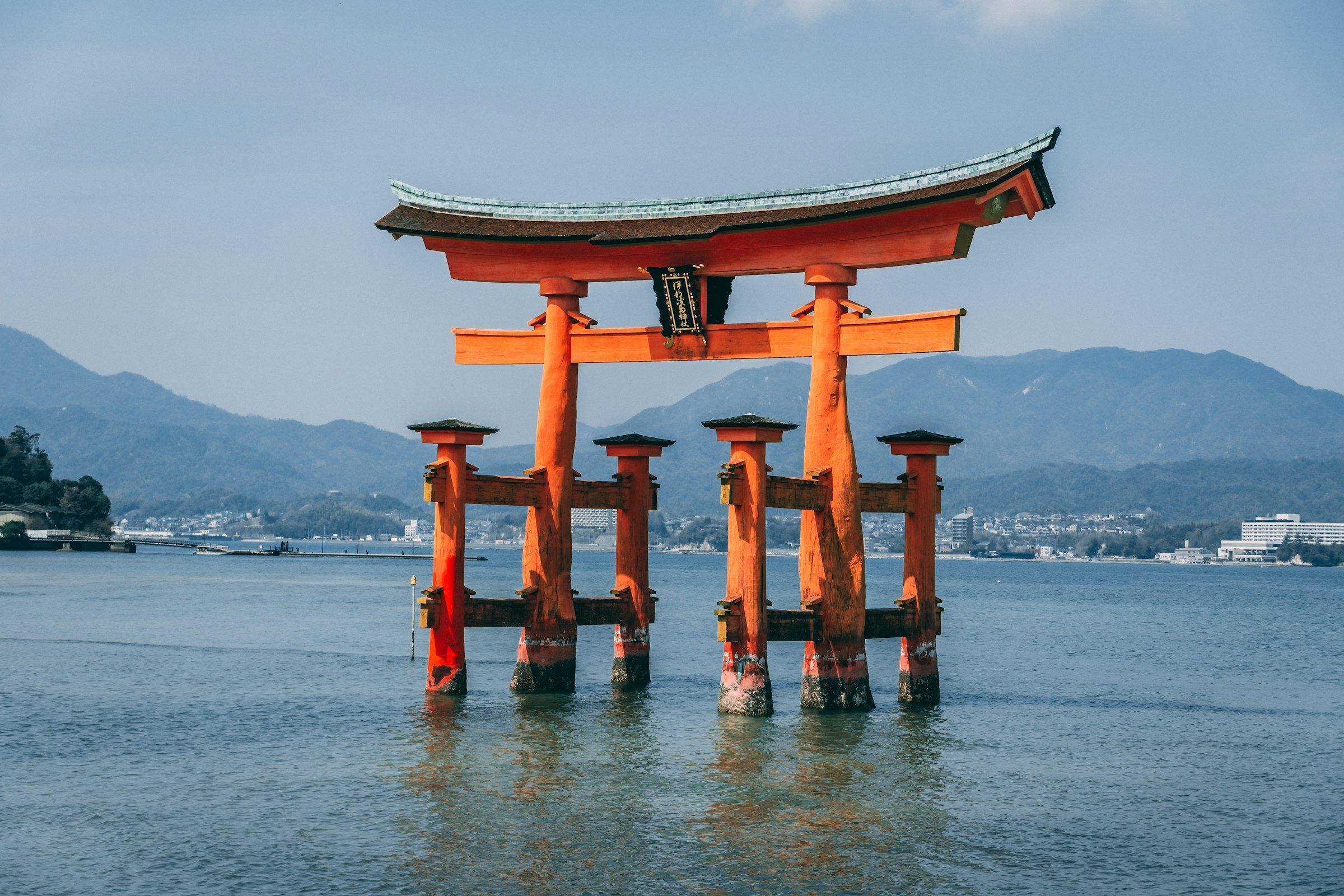
About 3 h, by Shin-Osaka and the Shinkansen
Hiroshima & Miyajima
History, resilience and the floating torii.Nara and Hiroshima & Miyajima →
Questions about Nara.
Is Nara a day trip?
It can be, but one night makes the difference. Fewer than one visitor in ten stays the night, so the park is at its quietest early in the morning and in the evening.
Are the deer safe?
They’re wild animals, protected as a national Natural Monument. Feed them only shika-senbei, the crackers sold in the park, and hand them over promptly: a deer kept waiting may bite or butt. Keep your distance from stags from about September to November, and from mothers with fawns from May to July.
Should we stay in Nara or in Kyoto?
If Nara is one stop on a longer trip, one night here and the rest in Kyoto works well: you see Nara early and late, then move on.
Can you book just one thing, like a guide for Tōdai-ji?
Yes. Every service can be booked on its own, from one tasting to a guide for a morning. One booking is as welcome as a whole trip.
Book a single service →Plan your Nara.
Tell us your dates and what you’d like to see and feel. We’ll send a personal quote, and change anything until it feels right.
A personal reply within one working day, from the specialist who plans your trip.