
Kyoto
Temples, moss gardens and lantern-lit lanes.
Japan’s capital for more than a thousand years, and still its most ceremonial city. We arrange the parts that are hard to arrange from abroad: the tea room, the counter seat, the moss garden that admits visitors by reservation only.
A personal reply within one working day, from the specialist who plans your trip.
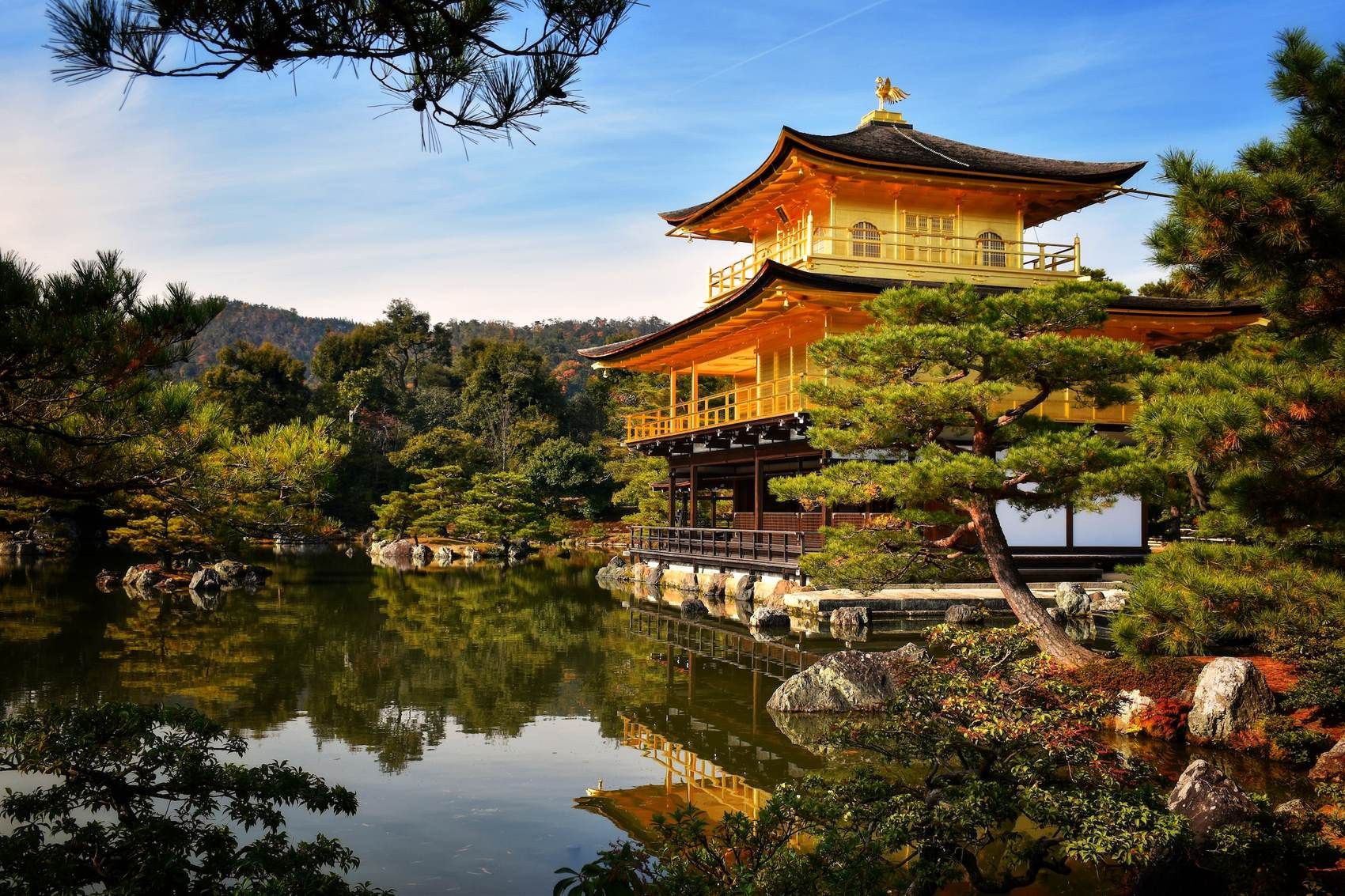
- Nights
- 3 to 4 nights on a first visit, plus a day in Nara
- Best weeks
- Late March to early April, and mid-November to early December
- Getting there
- About 2 h 15 from Tokyo by Shinkansen. About 75 min from Kansai Airport on the Haruka express
- A base for
- Nara, Osaka, Uji and Lake Biwa, each under an hour away
More than the Golden Pavilion.
Kyoto was Japan’s imperial capital from 794 to 1868. Seventeen of its historic sites, among them Nijō Castle and temples in neighbouring Uji and Ōtsu, form a single UNESCO World Heritage Site. Most first visits squeeze in the same famous handful, at the same hours as everyone else.
What first visits miss is the quieter Kyoto: a temple garden at opening time, a lane of wooden townhouses after the day visitors leave, a workshop where one thing is still made by hand. We plan the famous sights for their quiet hours and leave room for the rest.
Ask someone who knows Kyoto.
Tell us your dates and what you’d like from Kyoto, or the one thing you need booked. The specialist who plans your trip replies within one working day.
What we arrange in Kyoto.
Each can be booked on its own, or as part of a whole trip.
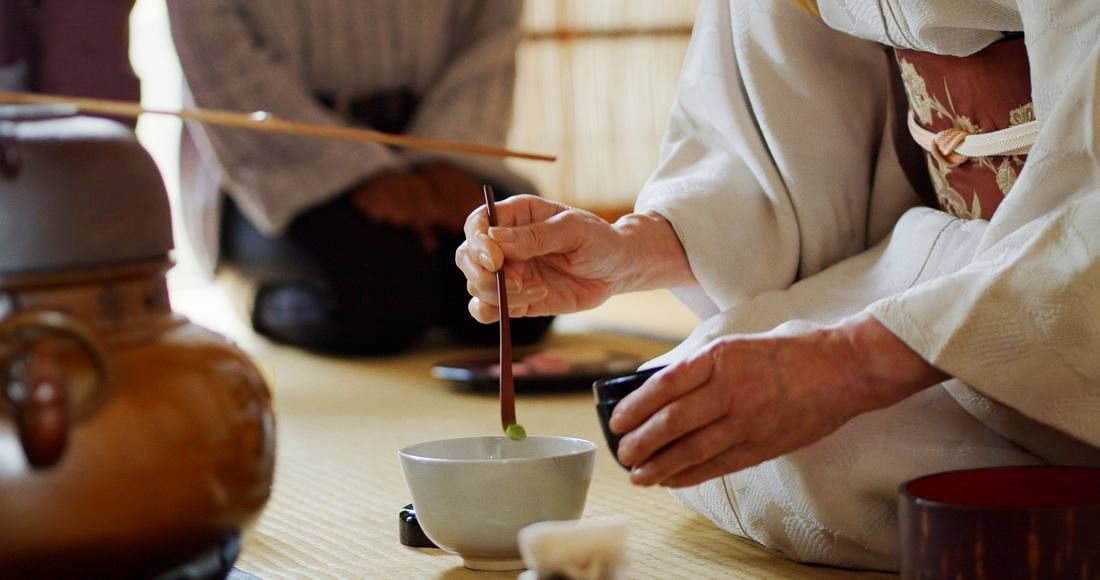
Tea with a tea master
A private ceremony in a working tea room, with time for your questions. We choose the tea room and the teacher to suit your group and your dates.Request this →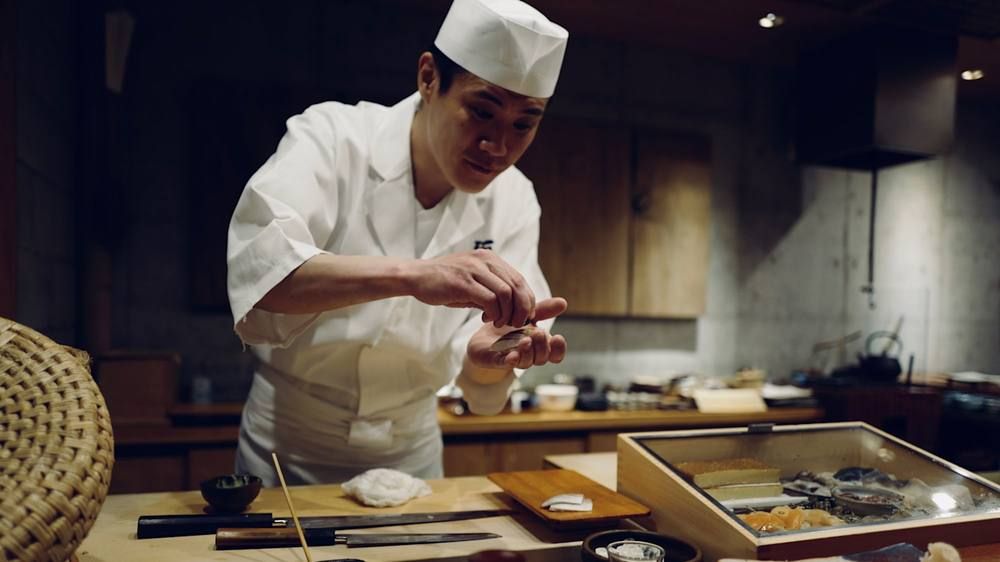
A seat at the counter
Kaiseki and sushi counters that take bookings only in Japanese or through someone they know. We request the table, confirm it with you and brief the chef.Request this →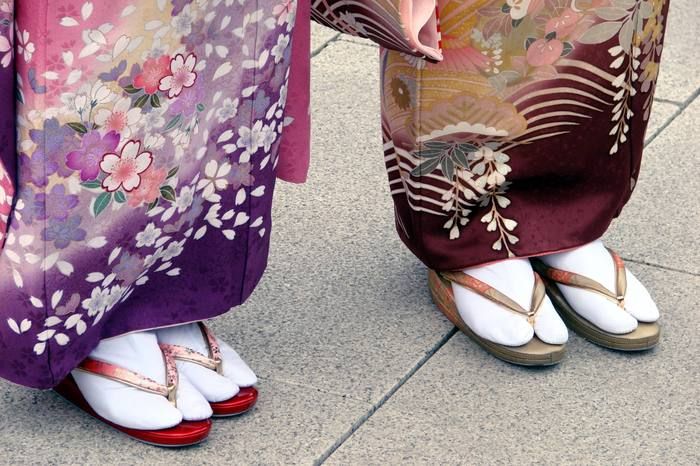
A day in kimono
Dressed by a professional in a kimono chosen for the season, then free to walk the old streets in it.Request this →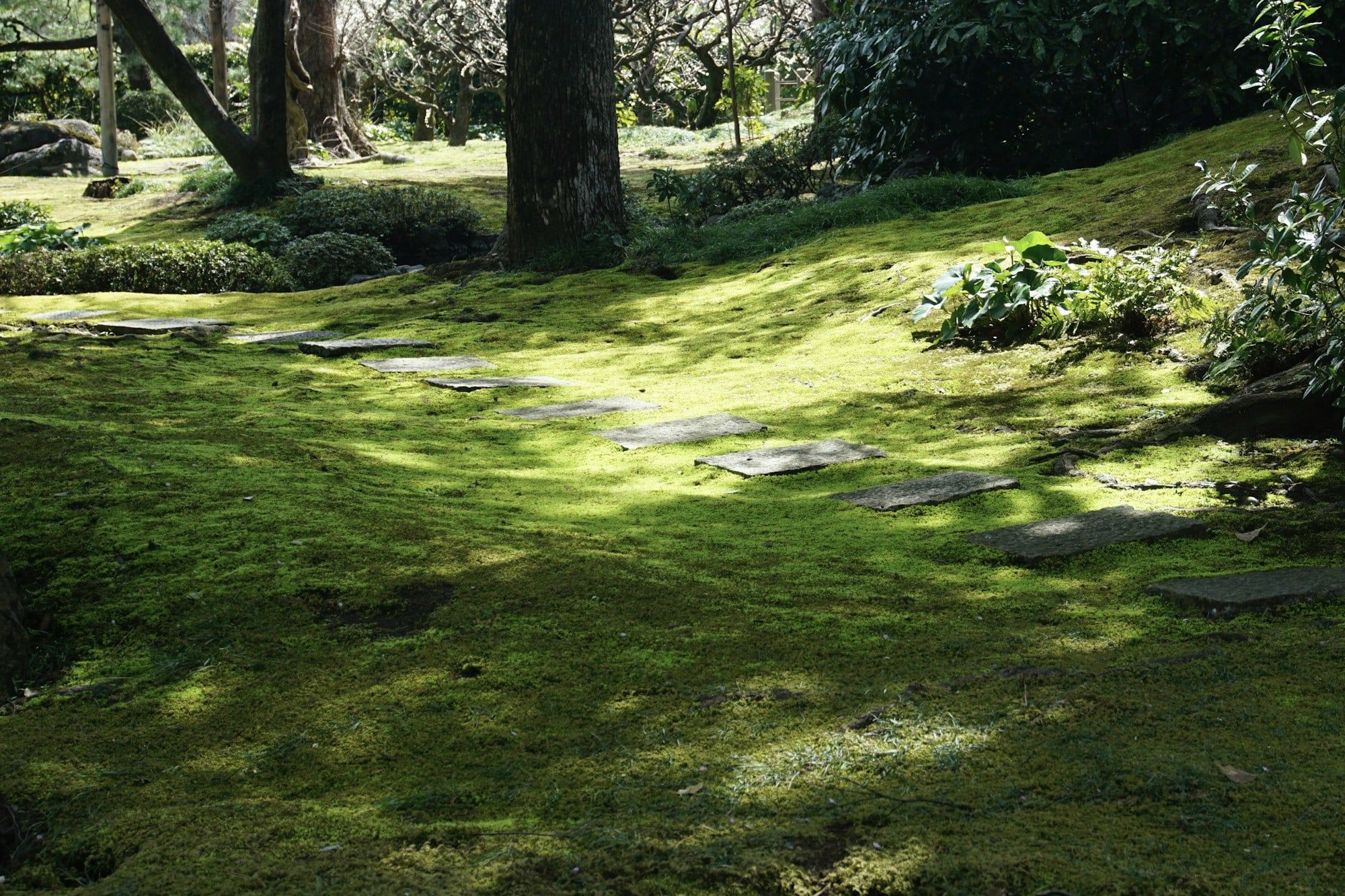
Temples before the crowds
A licensed guide and an early start, timed to each temple’s opening. Saihō-ji’s moss garden admits visitors by reservation only; we apply for you.Request this →
Also in Kyoto:Hotels & ryokanTrain tickets & transfersSIM cards & pocket wifiSpecial requests
Where to stay.
Where you sleep decides how Kyoto feels. Four areas, and who each one suits.
We book hotels and ryokan →Higashiyama and Gion
Suits first visits · ryokan stays
Wooden lanes below the eastern hills, close to Kiyomizu-dera, with many of the city’s ryokan. Quiet early and late, busy at midday.
Central Kyoto
Suits food lovers
Between Karasuma and Kawaramachi: Nishiki Market, the lanes of Pontochō and the most restaurants within walking distance.
Arashiyama
Suits second visits · slow mornings
The river, the bamboo and the western hills. Calm again once the day visitors leave.
Around Kyoto Station
Suits short stays · day trips
Practical rather than pretty: the Shinkansen, the Haruka to Kansai Airport and trains to Nara and Osaka are minutes away.
When to go.
Kyoto is busiest in its two most beautiful seasons. Our pick is the first week of December: many maples still hold their colour, and the late-November crowds have thinned.
March to May
Spring
Cherry blossoms usually open in late March and peak in early April: the busiest weeks of the year, so rooms go early. May is green, warm and calmer.
June to August
Summer
The rainy season runs from June into July, then it turns hot and humid. The Gion Matsuri fills July, with its great processions on 17 and 24 July. On 16 August, fires are lit on five mountains.
September to November
Autumn
The maples usually turn from mid-November to early December, as busy as cherry-blossom time. October is mild and quieter.
December to February
Winter
Cold, clear and, after the New Year holidays, the quietest weeks of the year. Snow is rare, so a white morning at the Golden Pavilion is worth getting up for.
| Month | Average high | Rainfall | Usual peak |
|---|---|---|---|
| January | 9 °C (48 °F) | 53 mm | |
| February | 10 °C (50 °F) | 65 mm | |
| March | 14 °C (57 °F) | 106 mm | Cherry blossom |
| April | 20 °C (68 °F) | 117 mm | Cherry blossom |
| May | 25 °C (77 °F) | 151 mm | |
| June | 28 °C (83 °F) | 200 mm | |
| July | 32 °C (90 °F) | 224 mm | |
| August | 34 °C (93 °F) | 154 mm | |
| September | 29 °C (85 °F) | 179 mm | |
| October | 23 °C (74 °F) | 143 mm | |
| November | 17 °C (63 °F) | 74 mm | Autumn colour |
| December | 12 °C (53 °F) | 57 mm | Autumn colour |
Pairs well with Kyoto.
Easy to combine, by train from Kyoto.
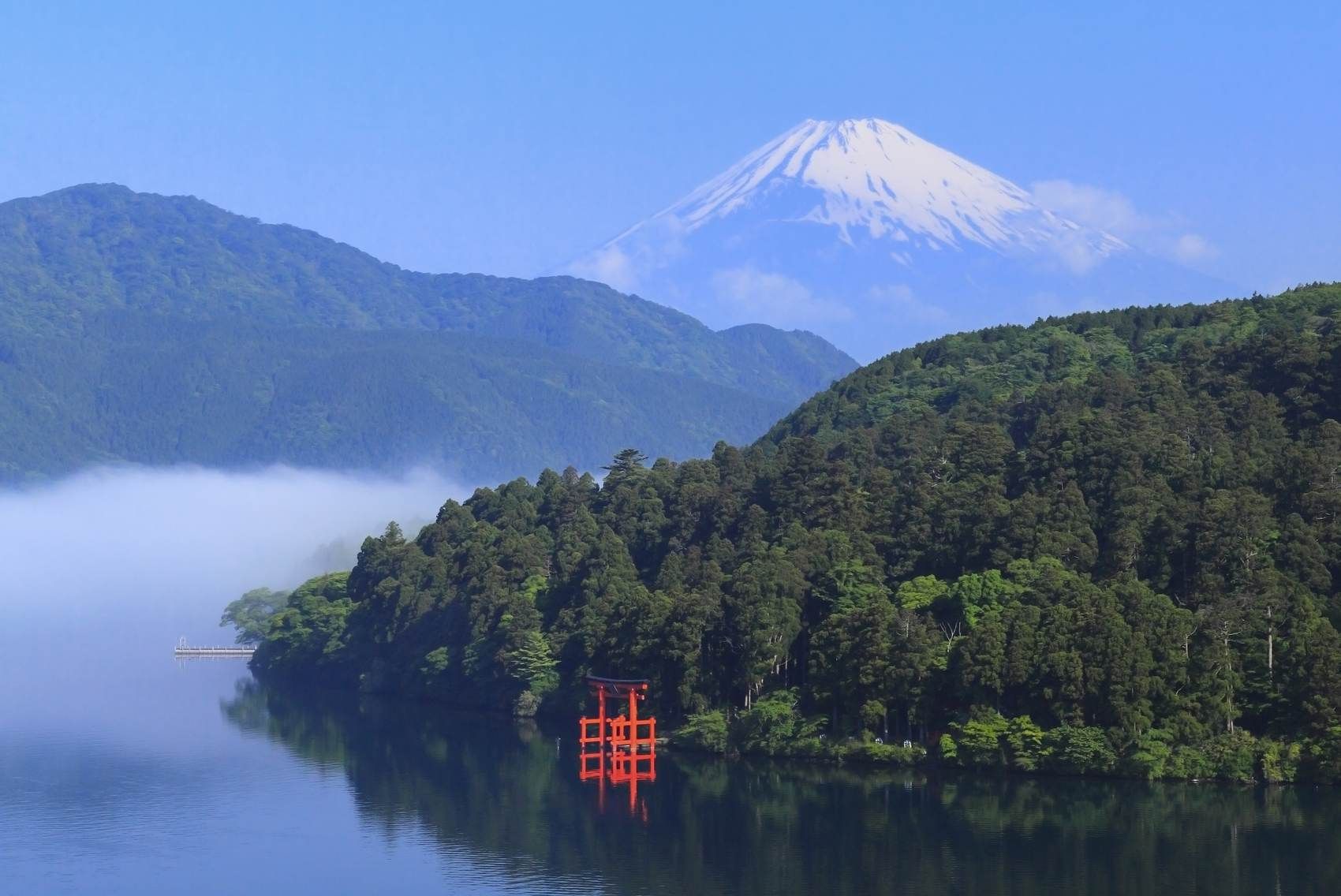
About 2 h by Shinkansen to Odawara
Hakone & Fuji
Hot springs, ryokan and the mountain on a clear morning.Kyoto and Hakone & Fuji →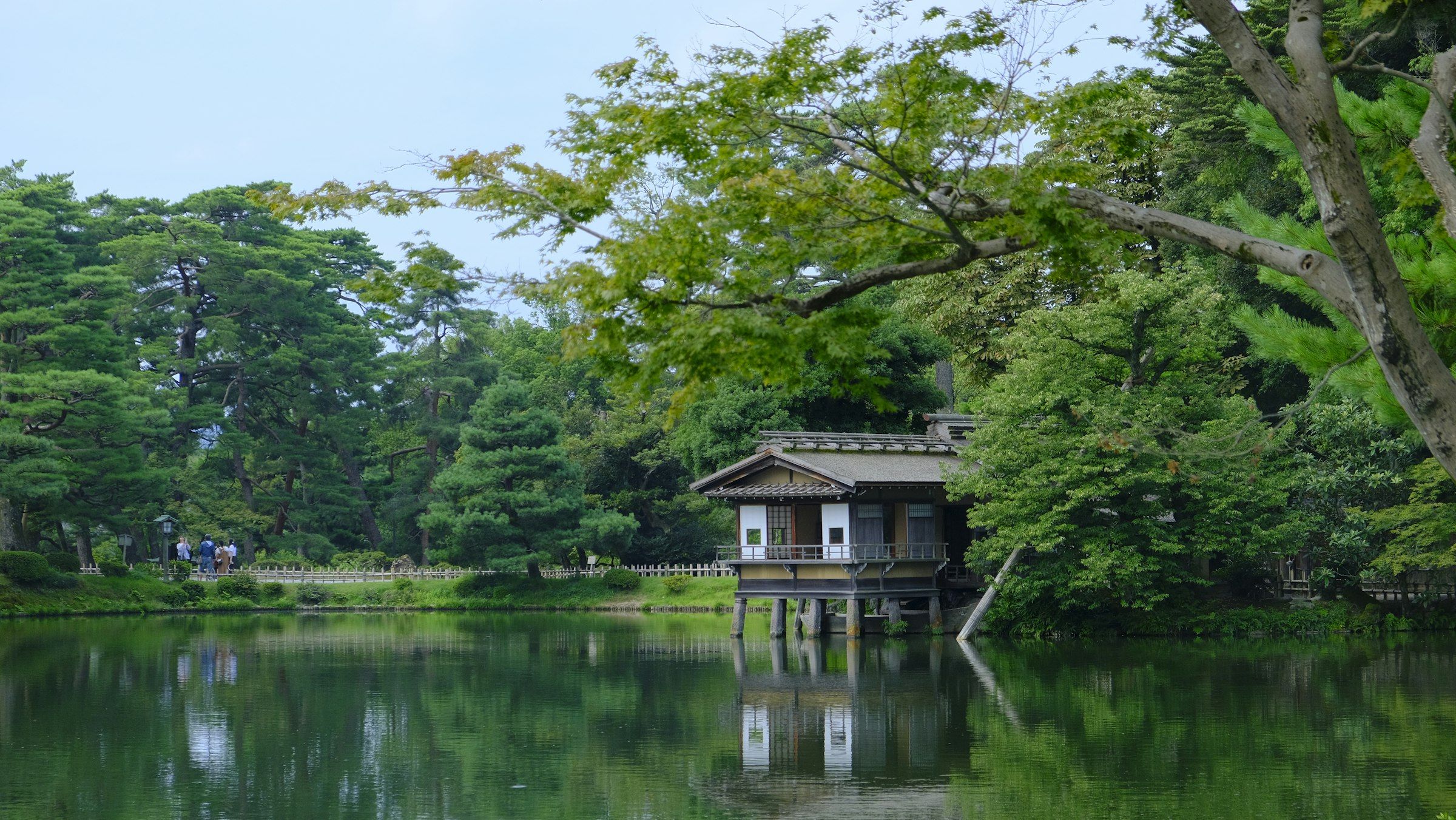
About 2 h by train, changing at Tsuruga
Kanazawa
Samurai streets, gold leaf and one of Japan's great gardens.Kyoto and Kanazawa →
Questions about Kyoto.
How many nights should we give Kyoto?
Four if you can, three at the least. That covers the main temples at an unhurried pace, with a day for Nara.
Can we see geiko and maiko in Gion?
Sometimes, in the early evening, on their way to an appointment. To meet them properly, we can request a dinner with a geiko or maiko: the teahouses that arrange one take guests only through an introduction. Gion asks visitors not to photograph maiko and geiko without permission, and in 2024 it closed some of its private lanes to tourists.
Ryokan or hotel?
Both, if you have the nights: one or two in a ryokan for the bath, the kaiseki dinner and a night on tatami, then a hotel for the rest. A ryokan evening is the experience itself, so plan little else that night.
Can you book just one thing, like a dinner?
Yes. Every service can be booked on its own, from one table at a counter to a guide for a morning. One booking is as welcome as a whole trip.
Book a single service →Plan your Kyoto.
Tell us your dates and what you’d like to see and feel. We’ll send a personal quote, and change anything until it feels right.
A personal reply within one working day, from the specialist who plans your trip.