
Hakone & Fuji
Hot springs, ryokan and the mountain on a clear morning.
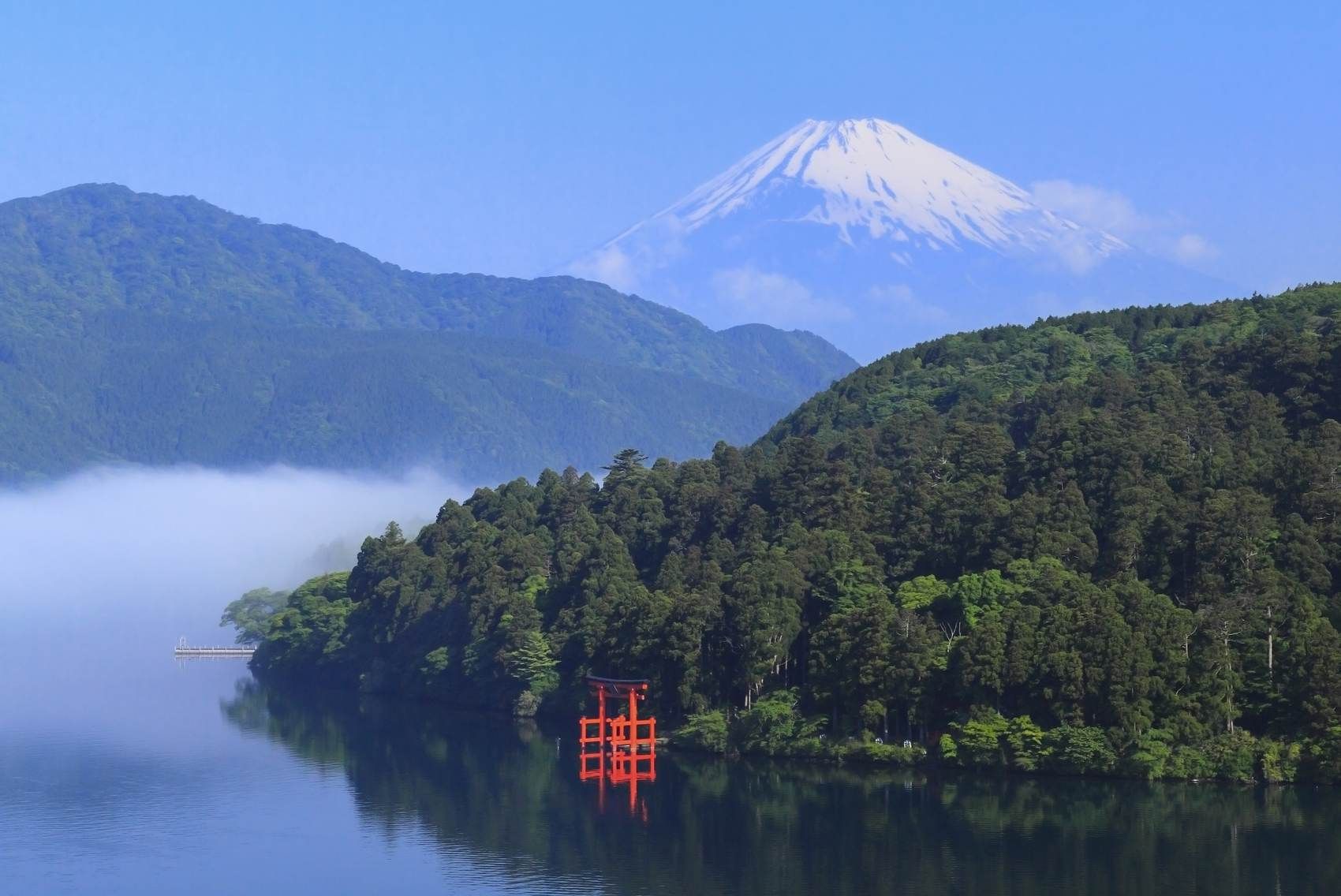
Hot springs in the hills about 80 minutes from Shinjuku, and Mount Fuji across the lake when the sky is clear. We arrange the parts that are hard to arrange from abroad: the right ryokan and its bath, seats on the train, and an early start on the mornings Fuji is most likely to show.
A personal reply within one working day, from the specialist who plans your trip.
- Nights
- 1 to 2 nights in Hakone, plus one at Lake Kawaguchi for Fuji
- Best weeks
- November for the colours, and December to February for the clearest views of Fuji
- Getting there
- About 80 min from Shinjuku to Hakone-Yumoto by Romancecar. About 2 h from Shinjuku to Lake Kawaguchi by train or bus
- Hakone to Fuji
- About 2 to 2½ h by bus, changing at Gotemba
More than a day trip from Tokyo.
Hakone has been a hot-spring resort for centuries: a guide from 1811 already named seven of its springs, and it now counts seventeen. It had 21 million visitors in 2025, and only about one in five stayed the night. Across the border in Yamanashi, Lake Kawaguchi is one of the 25 parts of the Mount Fuji World Heritage Site.
Give Hakone a night and it changes: the day visitors go home, the baths are quiet, and the morning may bring a clear view of Fuji. We plan the night, the bath and the early start.
Ask someone who knows Hakone & Fuji.
Tell us your dates and what you’d like from Hakone & Fuji, or the one thing you need booked. The specialist who plans your trip replies within one working day.
What we arrange in Hakone & Fuji.
Each can be booked on its own, or as part of a whole trip.
A ryokan with its own bath
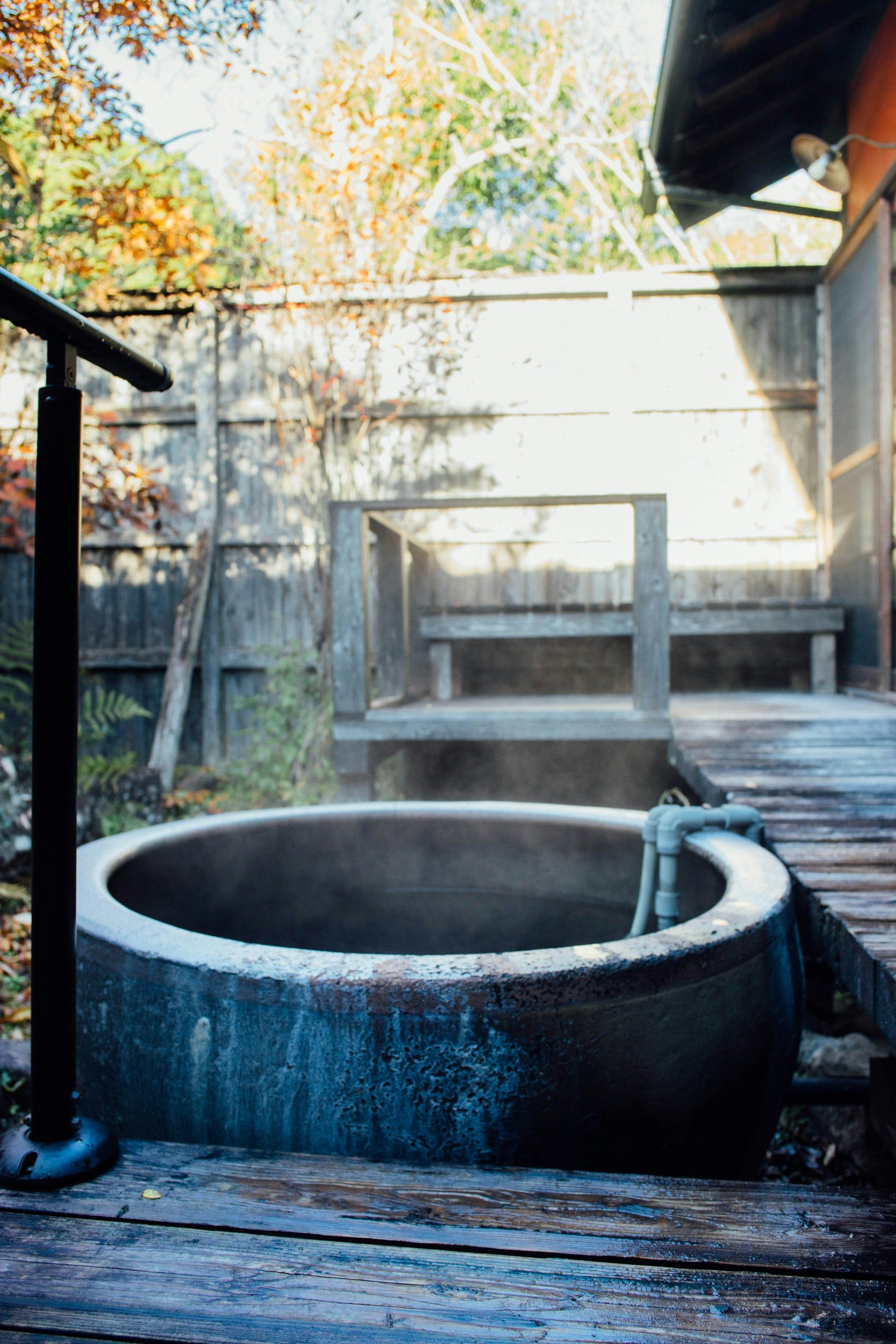
A room with a private hot-spring bath, or a bath you can reserve for yourselves. We choose the ryokan for the water, the view and the dinner, and book it.Request this →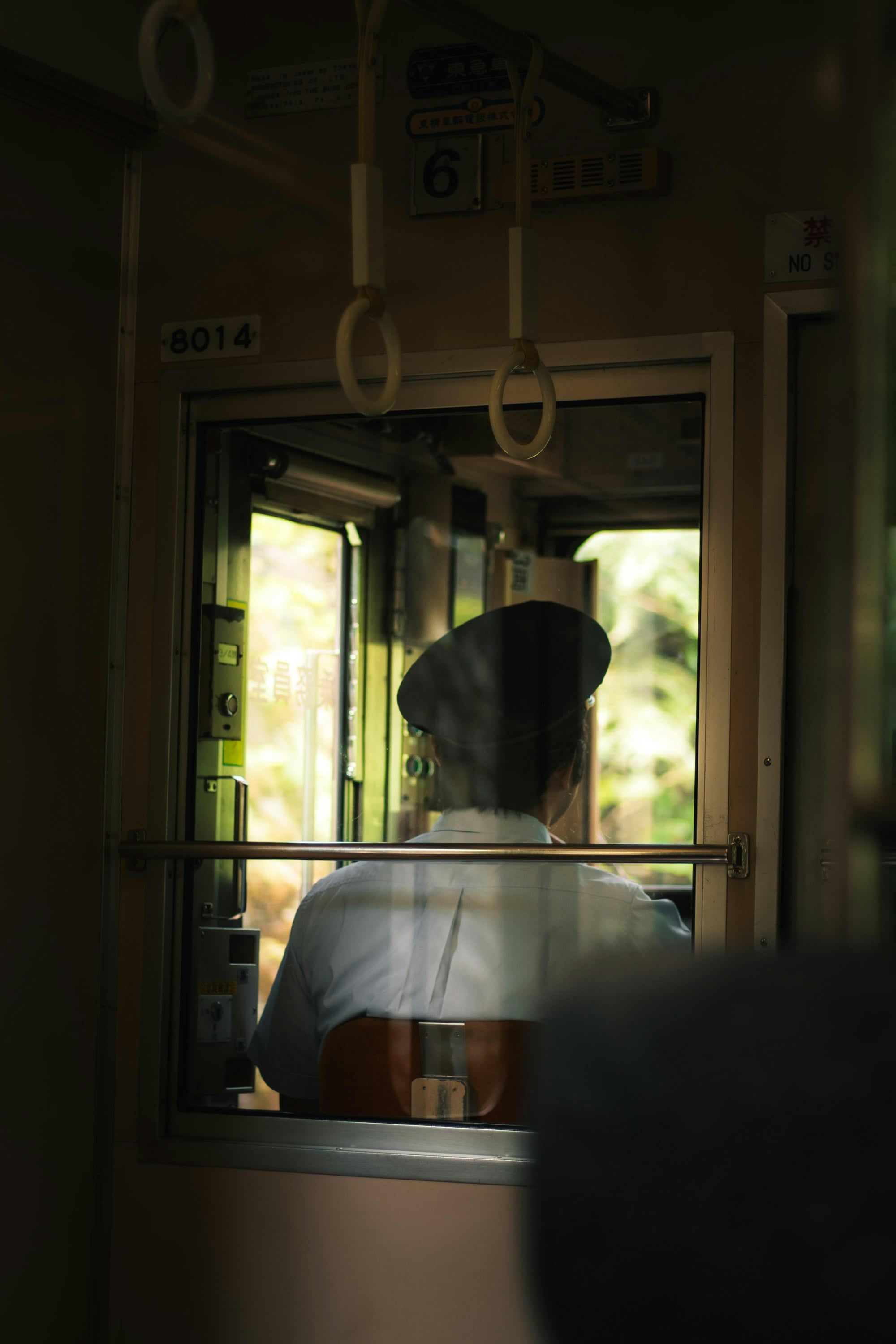
The Hakone loop
The mountain railway climbs grades of up to 8%, reversing at three switchbacks. Then the cable car, the ropeway about 130 m above Ōwakudani’s steam, and a boat across Lake Ashi. We plan the loop and book your Romancecar seats.Request this →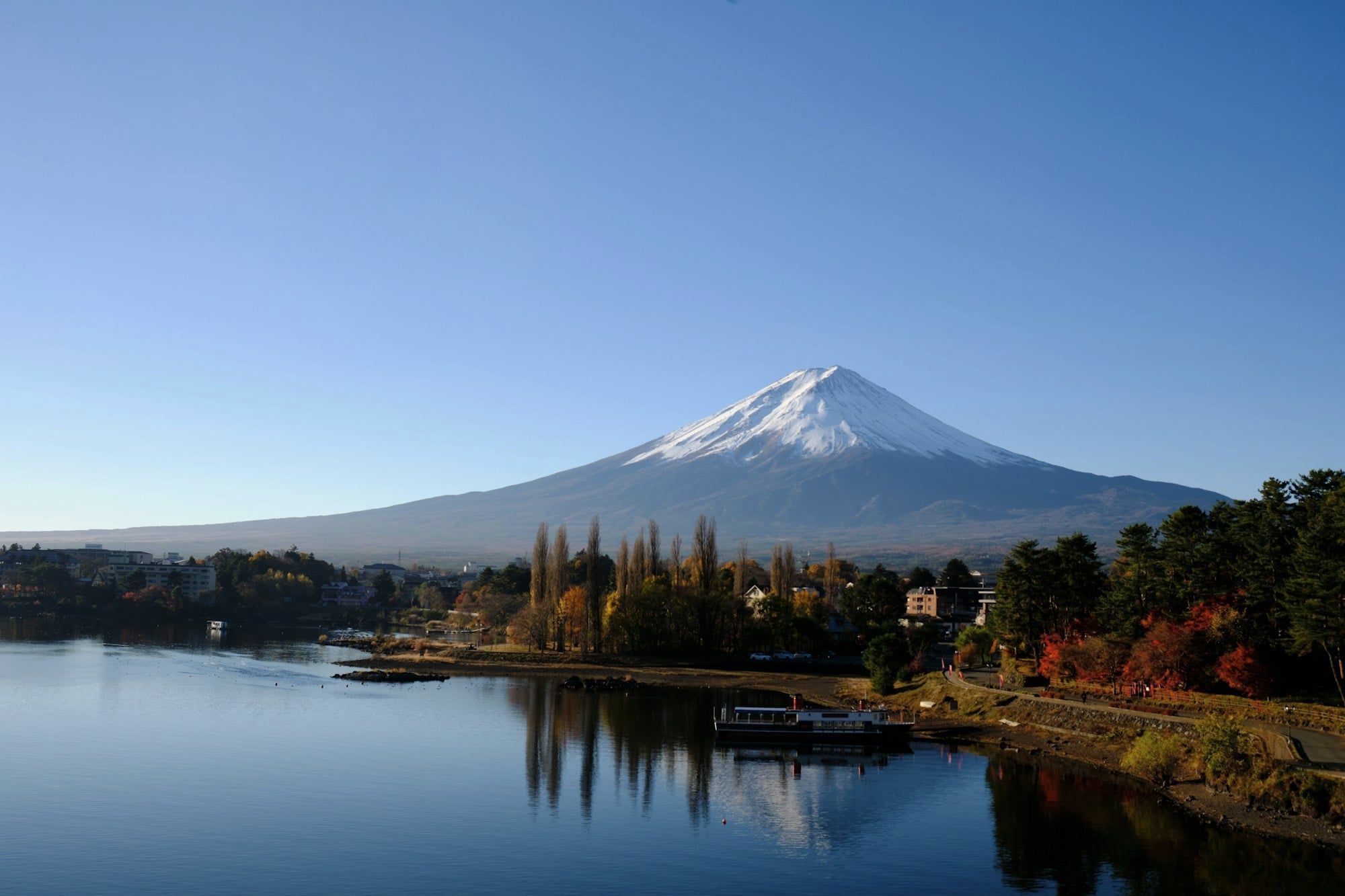
Fuji at first light
A driver-guide and an early start at Lake Kawaguchi. Records kept by Fuji City since 1991 show the whole mountain at 8 am on about six days in ten in December and January, and one in ten in July.Request this →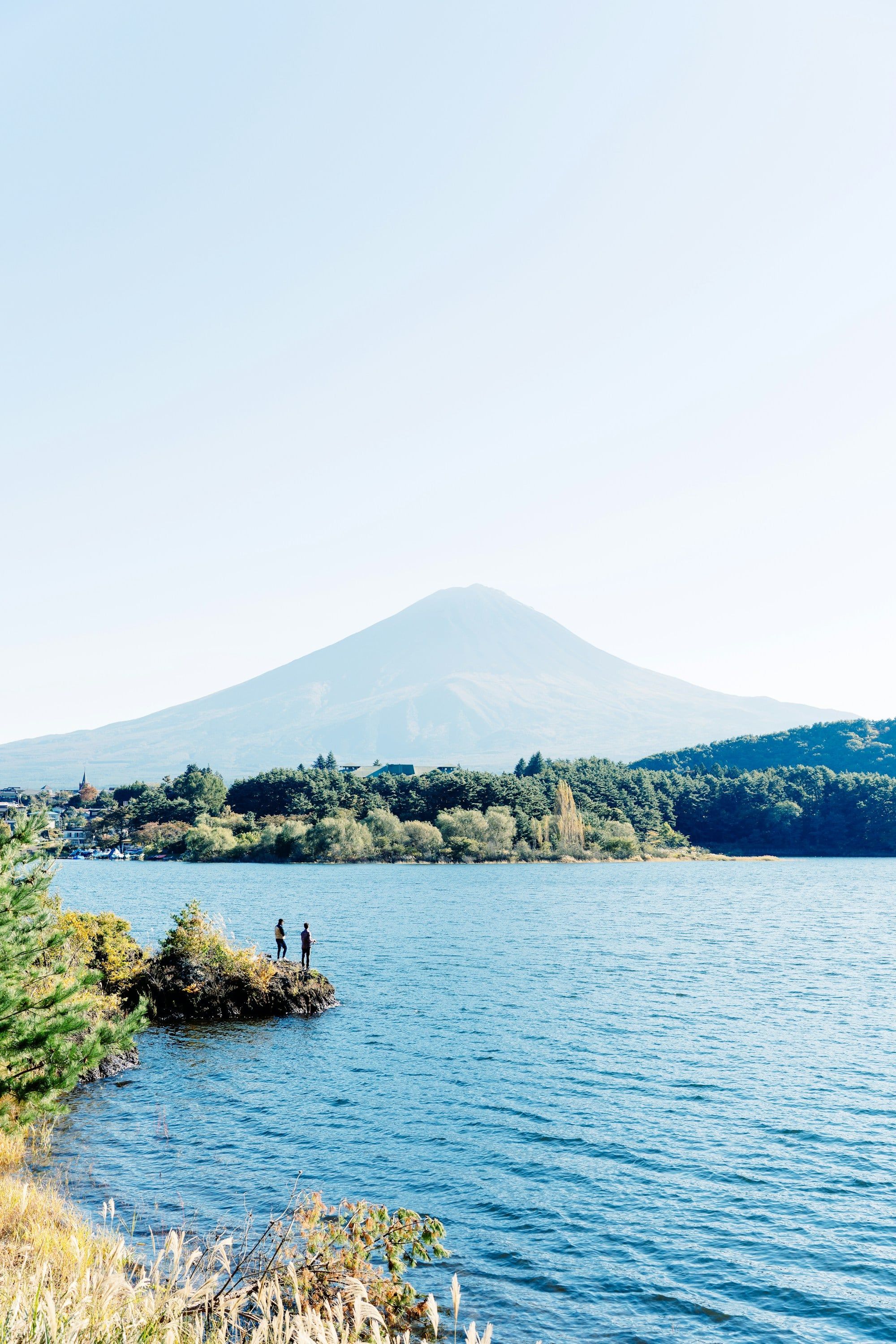
Climbing Fuji, in season
In 2026 the trails were open from early July to 10 September, climbers paid ¥4,000, and anyone starting the Yoshida trail after 2 pm needed a mountain-hut booking. We book the hut, and a guide if you want one.Request this →
Also in Hakone & Fuji:Restaurant reservationsCultural experiencesSIM cards & pocket wifi
Where to stay.
Hakone is a cluster of villages at different heights, each with its own hot springs, and Lake Kawaguchi is a world of its own. Five places, and who each one suits.
We book hotels and ryokan →Hakone-Yumoto
Suits short stays · first visits
The gateway, where the Romancecar ends, and by legend the oldest of Hakone’s springs. The easiest to reach, and the busiest by day.
Gōra and Miyanoshita
Suits art lovers · classic hotels
Higher up the railway: Gōra’s milky sulphur water, the Open-Air Museum close by, and in Miyanoshita the Fujiya Hotel, open since 1878.
Sengokuhara
Suits museums · quiet stays
A highland valley of museums and, in autumn, fields of pampas grass.
Lake Ashi
Suits fuji views · early walks
Moto-Hakone and Hakone-machi on the shore, with Hakone Shrine, the old checkpoint and the cedar avenue of the old Tōkaidō road.
Lake Kawaguchi
Suits fuji at dawn
Across the border in Yamanashi, where lakeside hot-spring hotels face Fuji over the water. Stay here for the early view.
When to go.
Hakone is wet: its rain gauge, at 855 m, records about 3,600 mm a year, more than twice Tokyo’s. Our pick is late January or February: cold, clear mornings, Fuji at its most visible, and the best weather for a hot bath.
March to May
Spring
Near Lake Kawaguchi, the Fuji Shibazakura Festival covers a hillside with about 500,000 moss-phlox plants from mid-April to late May. Chūreitō Pagoda is so crowded at cherry-blossom time that Fujiyoshida cancelled its 2026 festival.
June to August
Summer
Hydrangeas line the mountain railway from mid-June, lit in the evenings. It’s the wettest stretch of the year and Fuji is often hidden, but the climbing season opens in early July.
September to November
Autumn
September brings the most rain. Then the pampas grass of Sengokuhara turns gold, and the maples turn in early to mid-November at Lake Kawaguchi and mid to late November in Gōra. On 3 November, a daimyō procession of about 170 people walks through Yumoto.
December to February
Winter
Cold and clear: the months when Fuji is most often in view. In early January, the Hakone Ekiden, a university relay from Tokyo, climbs to Lake Ashi and runs back the next day.
| Month | Average high | Rainfall | Usual peak |
|---|---|---|---|
| January | 8 °C (46 °F) | 105 mm | |
| February | 9 °C (47 °F) | 129 mm | |
| March | 12 °C (53 °F) | 253 mm | |
| April | 17 °C (62 °F) | 248 mm | |
| May | 21 °C (69 °F) | 256 mm | |
| June | 24 °C (74 °F) | 297 mm | Hydrangeas |
| July | 27 °C (81 °F) | 361 mm | |
| August | 29 °C (84 °F) | 248 mm | |
| September | 26 °C (78 °F) | 373 mm | |
| October | 20 °C (69 °F) | 315 mm | |
| November | 15 °C (60 °F) | 186 mm | Autumn colour |
| December | 10 °C (51 °F) | 104 mm |
Pairs well with Hakone & Fuji.
Easy to combine, by train from Hakone & Fuji.
About 80 min by Romancecar to Shinjuku
Tokyo
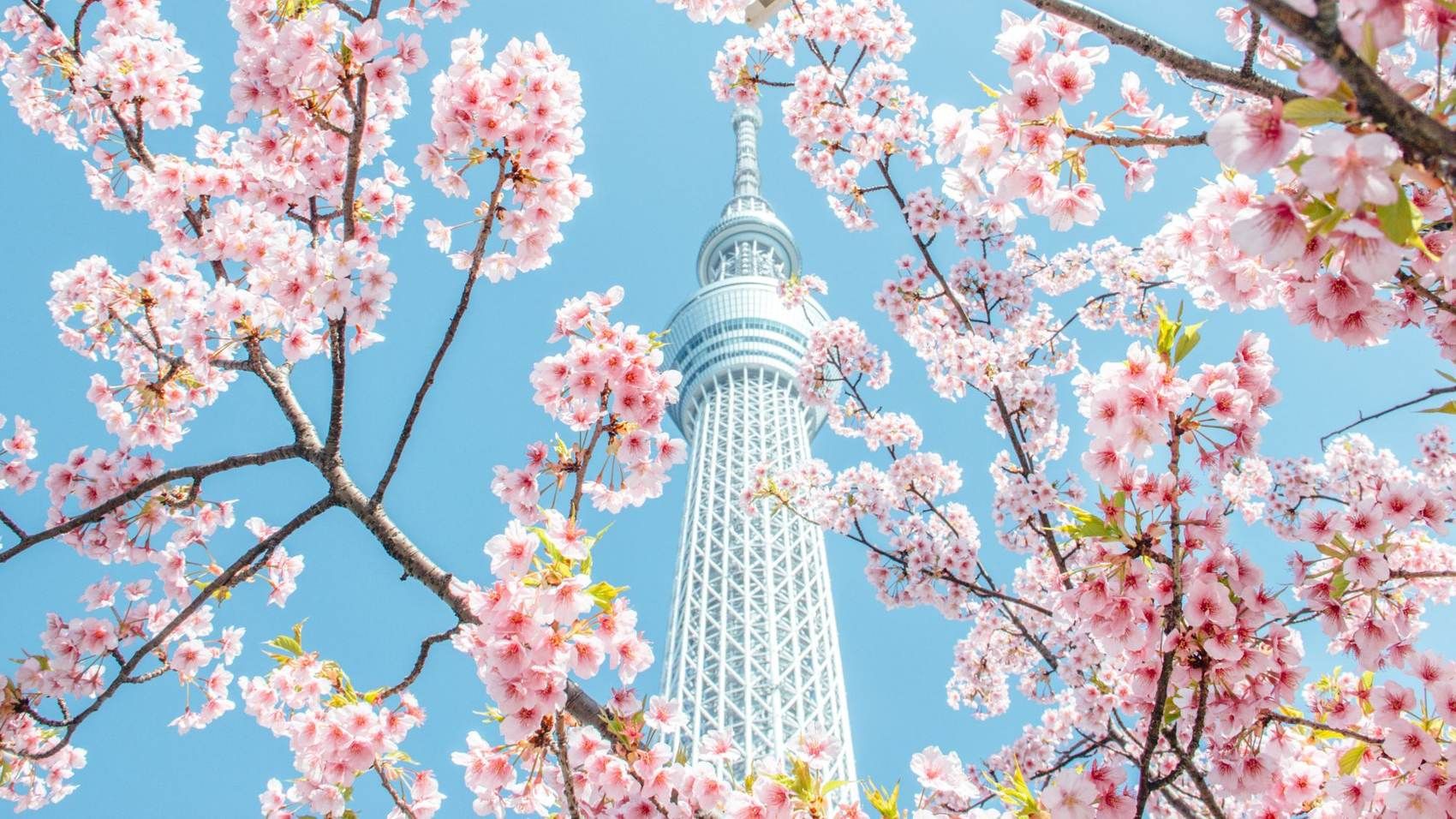
Neon nights, quiet shrines and the best sushi counters.Hakone & Fuji and Tokyo →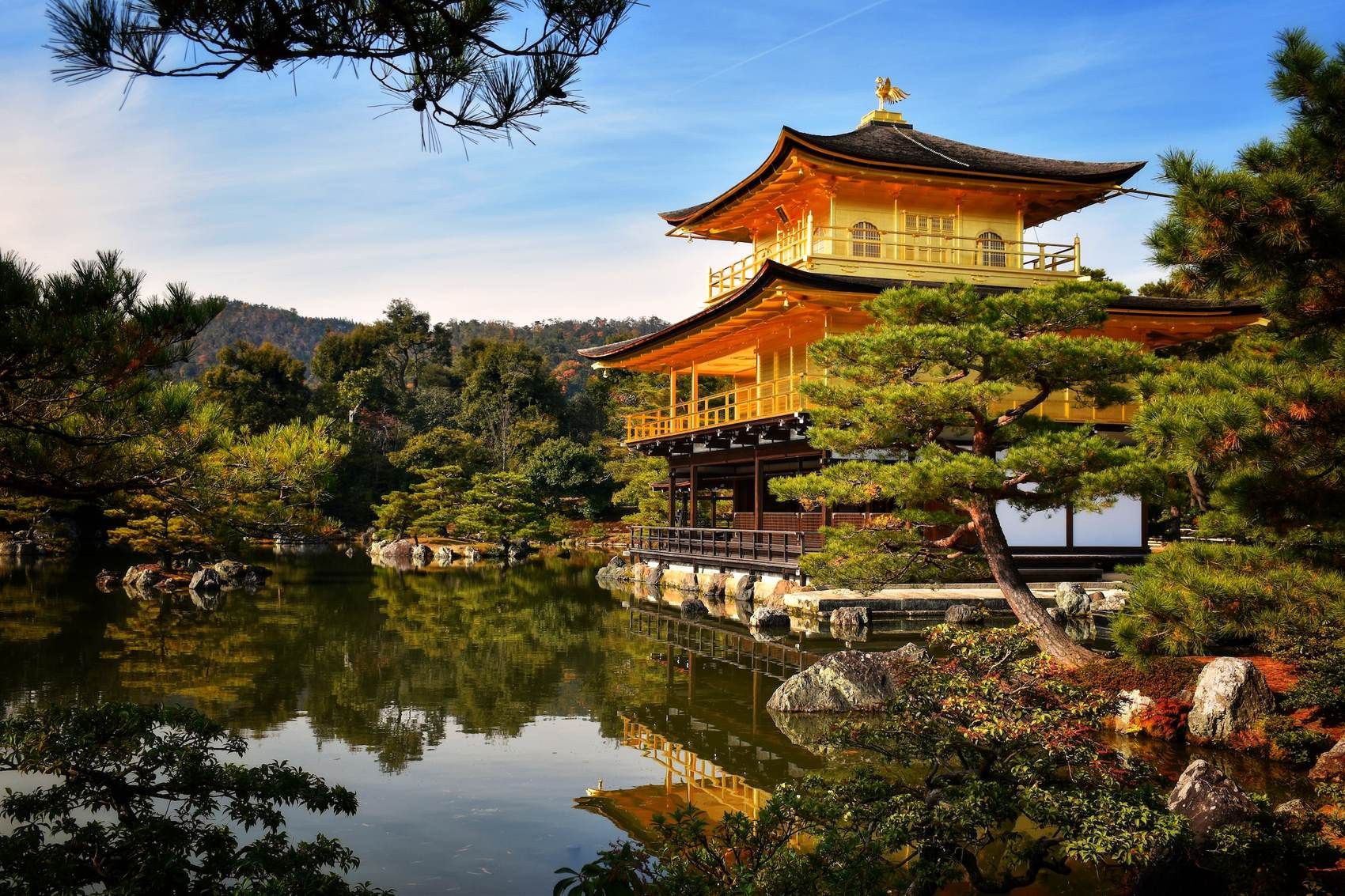
About 2 h by Shinkansen from Odawara
Kyoto
Temples, moss gardens and lantern-lit lanes.Hakone & Fuji and Kyoto →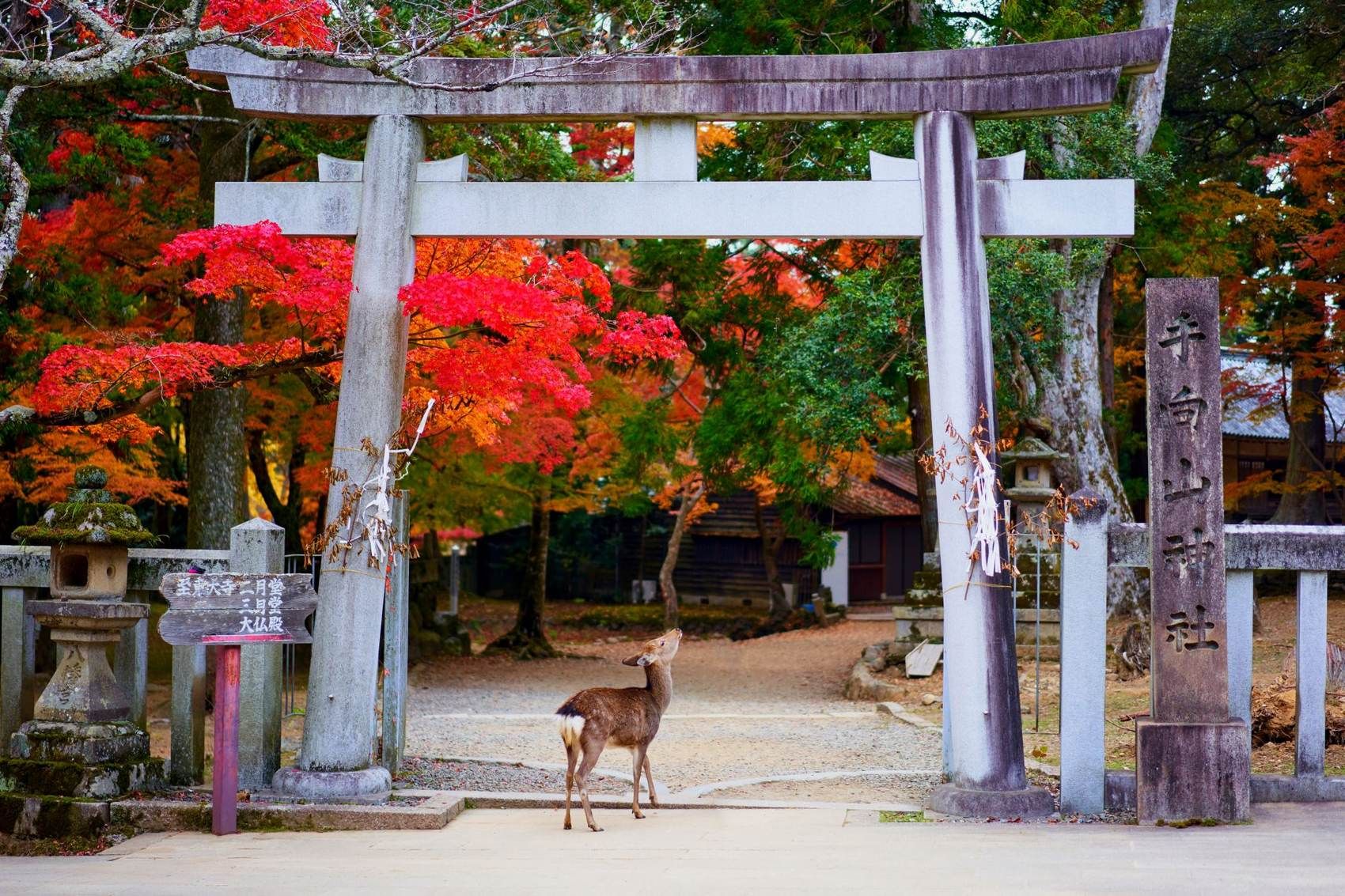
About 3 h, by the Shinkansen and Kyoto
Nara
Ancient temples and deer beneath the maples.Hakone & Fuji and Nara →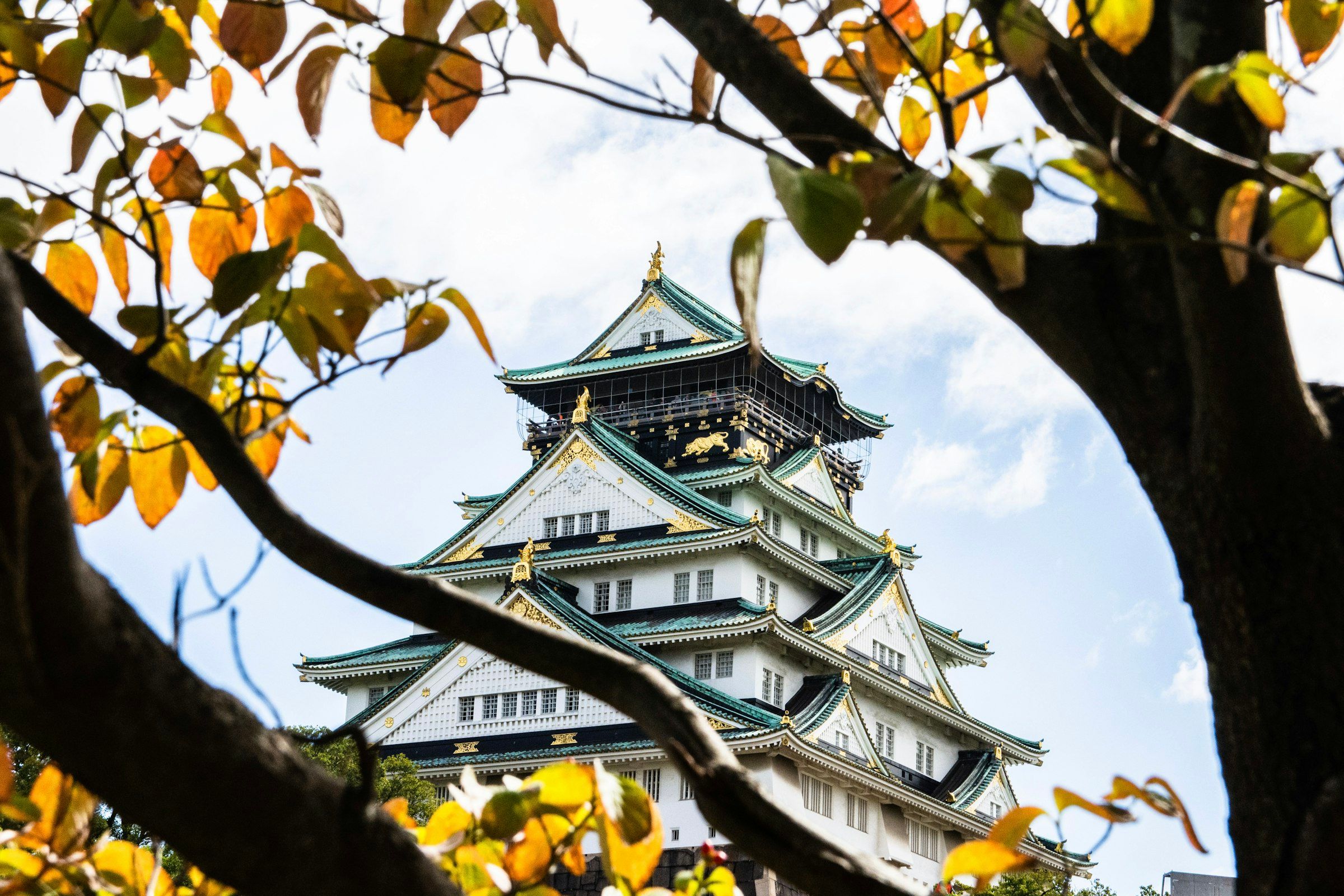
Under 2 h 30 by Shinkansen from Odawara
Osaka
Street food, castle views and a big-hearted city.Hakone & Fuji and Osaka →
Questions about Hakone & Fuji.
Will we see Fuji?
On a clear day, from Lake Ashi and the ropeway as well as Lake Kawaguchi. But it hides often: Fuji City’s records show the whole mountain at 8 am on about six mornings in ten in December and January, and one in ten in July. If Fuji matters to you, add a night at Lake Kawaguchi and keep the morning free.
Hakone or Lake Kawaguchi?
Both, if you can: Hakone for the ryokan and the baths, then a night at Lake Kawaguchi for the view. With only one night, choose Hakone.
Do we need the Hakone Freepass?
If you’re doing the loop, usually yes. For two or three days it covers the mountain railway, cable car, ropeway, lake boat and local buses, plus a return trip to Odawara. A Romancecar seat costs extra; we book it for you.
Can you book just one thing, like a ryokan?
Yes. Every service can be booked on its own, from one night in a ryokan to a guide for a morning. One booking is as welcome as a whole trip.
Book a single service →Plan your Hakone & Fuji.
Tell us your dates and what you’d like to see and feel. We’ll send a personal quote, and change anything until it feels right.
A personal reply within one working day, from the specialist who plans your trip.